
A nationwide transport strike on March 26 brought major routes to a halt, but for public utility vehicle (PUV) drivers, the disruption reflects a deeper and ongoing crisis. With fuel prices continuing to rise and a long-delayed fare hike still pending, many drivers are struggling to keep up with daily expenses.
The imbalance between income and operating costs has left drivers increasingly vulnerable, as global oil price pressures continue to drive local increases.
Grassroots Efforts Step In
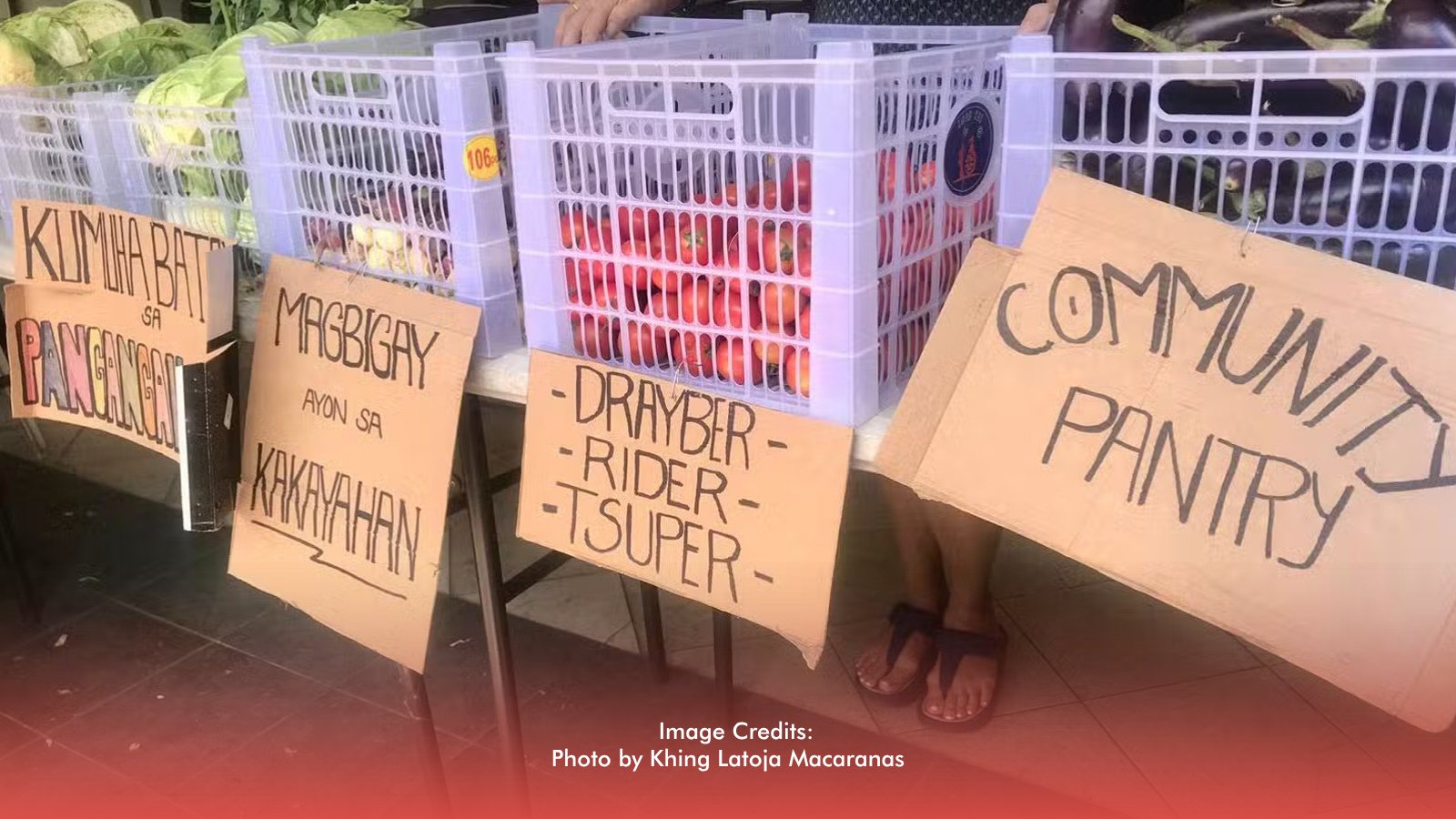
In response, community pantries have begun to reemerge, offering immediate relief to affected drivers. In Quezon City, a pantry at the corner of Maginhawa and Magiting Streets has once again become a symbol of collective support, stocked with donated essentials such as rice, canned goods, and vegetables.
Carrying the message “Laban ng drayber, laban ng komyuter,” the initiative highlights the shared burden between drivers and commuters.
Revived by Community Pantry PH, the effort was relaunched just a day before the strike. Organizer Patricia Non described it as a simple yet practical way for communities to extend help.
Similar initiatives have also appeared in Cubao, Pasig, Marikina, as well as in Baguio City and Oriental Mindoro, with calls for more communities, especially those near transport terminals, to take part.
Small Acts, Bigger Call for Action
Organizers emphasized that support can come in many forms, even amid rising living costs. Small gestures, such as adding a few pesos to fares or expressing solidarity, are already meaningful contributions.
While these efforts cannot fully resolve the systemic challenges faced by drivers, they reflect the power of collective action and community care.
At the same time, the renewed movement sends a clear message to the government. There is a need for concrete and sustained solutions to ease the burden on drivers and the transport sector as a whole.
Nearly five years since community pantries first emerged during the pandemic, the initiative continues to evolve, not as a single-organizer effort, but as a shared response from communities stepping up in times of need.