Some households and small eateries are switching to charcoal ahead of a scheduled increase in liquefied petroleum gas (LPG) prices this Wednesday. The decision to make the switch was a result of fuel companies announcing double-digit increases in LPG prices on Tuesday, effective April 1, 2026.
Petron said it will hike prices by P20 per kilo starting 12:01 a.m. Wednesday, raising the cost of a typical 11-kilogram cylinder by P220, reflecting higher international contract prices for April.
At Kamuning Market, vendor Mario Garcia now uses charcoal to prepare his coffee and soups, citing significant savings. “An LPG tank used to cost P1,100 and now it’s P1,500. Charcoal costs P70 per cooking session. We save a lot this way,” he said.
Garcia also makes charcoal stoves from metal and cement, selling them for P700 each. Many neighbors, especially those cooking sago, have also adopted the use of charcoal stoves due to rising gas prices. He added that these stoves can last up to five years even with daily use.
Charcoal Prices Rise but Demand Remains Strong
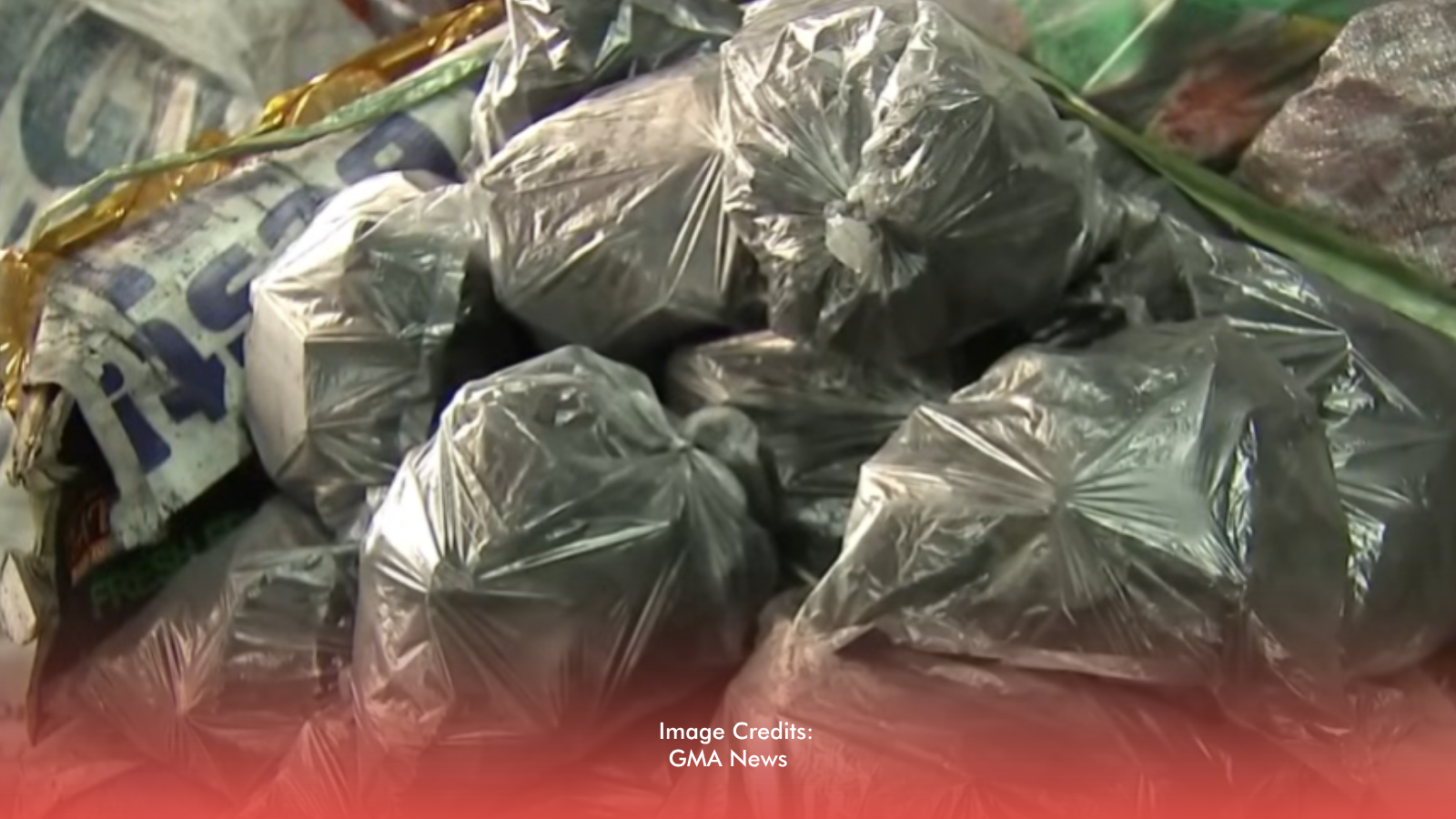
Charcoal prices have slightly increased from P450 to P470 per sack, according to vendor Rose Villela, but demand remains high as households and small businesses seek cheaper alternatives.
Some eateries that rely on LPG are feeling the strain. Melissa Binondo, who runs a local eatery, said her gas expenses rose from about P900 to nearly P1,300. She does not plan to switch to charcoal or electric stoves, noting that charcoal slows cooking while electric stoves could increase power costs.
Instead, she conserves fuel by ensuring tanks are properly closed and regularly checked for leaks.
Consumers Urged to Manage Fuel Use
The LPG Marketers Association said the price hike may add to household expenses, though supply remains stable. It advised consumers to cook efficiently—such as preparing ingredients in advance—to reduce fuel consumption.
Despite rising costs, industry officials said there is no need for panic buying.