El Niño in the Philippines is once again becoming a major concern as rising temperatures begin to affect daily life across the country. With forecasts pointing to its possible development in 2026, Filipinos are already experiencing the early signs of extreme heat and shifting weather patterns.
This climate phenomenon, known for bringing prolonged dry conditions, is expected to intensify in the coming months. As temperatures climb and rainfall decreases, the impact of El Niño is becoming more evident, not just in the environment, but also in household expenses and public health.
RELATED: [Beat The Heat In Sagada: Things That Make This Mountain Town Special]
What Is El Niño and Why It Matters
El Niño occurs when sea surface temperatures in the central and eastern Pacific Ocean become significantly warmer than usual. This shift disrupts normal weather patterns, leading to reduced rainfall and hotter conditions in countries like the Philippines.
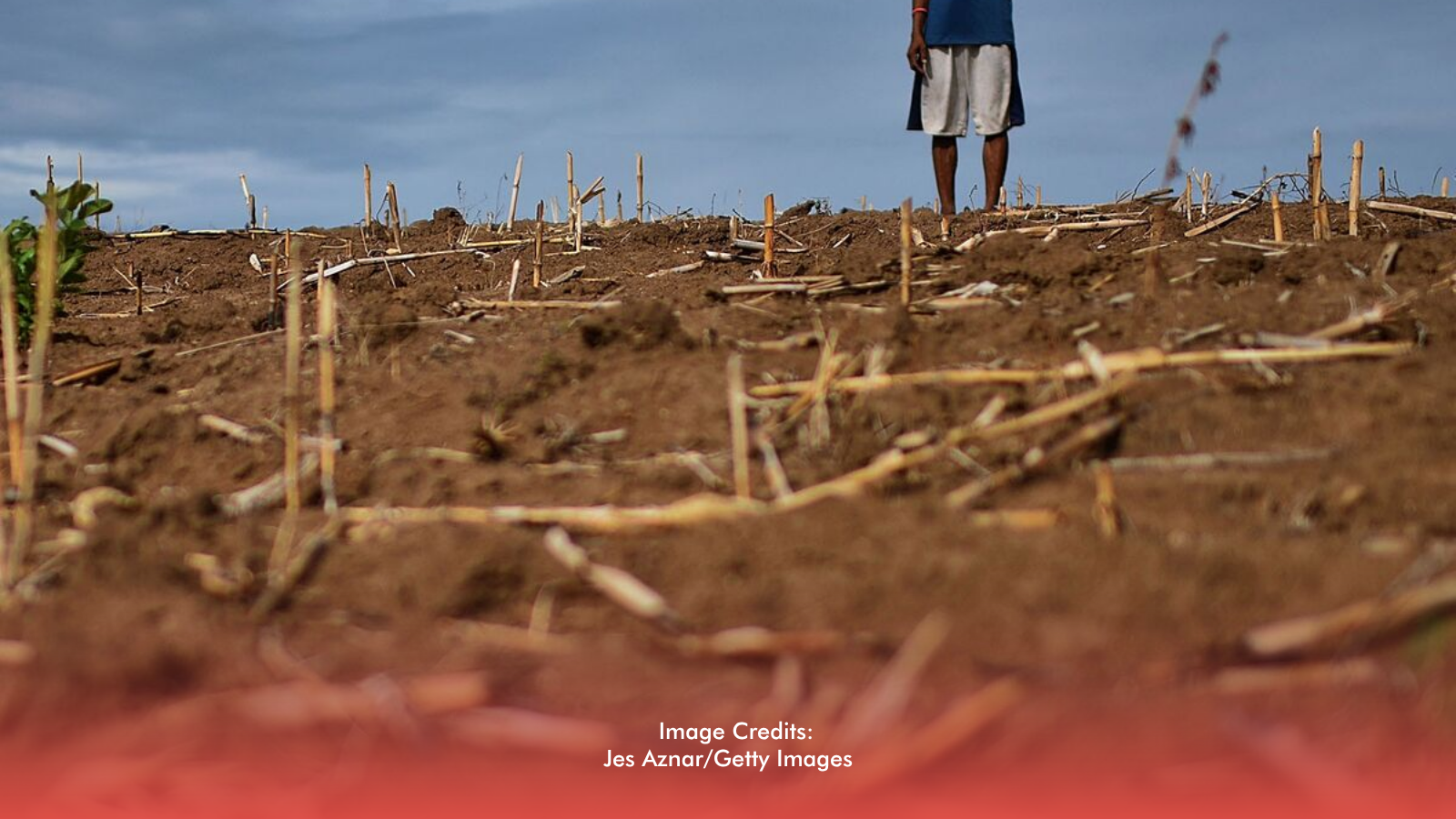
According to forecasts, there is a high probability that El Niño will develop by mid-2026 and persist into early 2027. This means longer dry spells, increased risk of drought, and potential strain on water resources, especially in urban and agricultural areas.
Beyond the environmental impact, El Niño also affects how people live day to day. Water shortages can disrupt communities, while extreme heat can make outdoor work more difficult and dangerous.
Rising Temperatures and Everyday Impact
In recent weeks, heat index levels in parts of Metro Manila and Luzon have reached between 37°C to 39°C, classified under “extreme caution.” In other areas, temperatures have gone even higher, hitting up to 42°C to 43°C, which falls under the “danger level.”
Compared to the same period last year, these figures reflect a noticeable increase in heat intensity. This has raised concerns about heat-related illnesses such as heat exhaustion and heatstroke, particularly among vulnerable groups like children and the elderly. The effects are also being felt financially. As temperatures rise, more households rely heavily on air conditioning and electric fans, leading to higher electricity consumption. For many families, this translates to increased monthly bills, adding pressure to already tight budgets.
Preparing for the Months Ahead
With El Niño expected to intensify, preparation is key. Staying hydrated, avoiding prolonged exposure to the sun, and adjusting daily routines can help reduce health risks. At the same time, conserving water and energy will be essential as demand continues to rise.
As authorities continue to monitor the situation, public awareness and early action will play a crucial role. El Niño may be a natural phenomenon, but its impact can be managed with the right information and responsible habits.
RELATED: [Why Mt. Pulag Is The Perfect Summer Escape For Hikers]