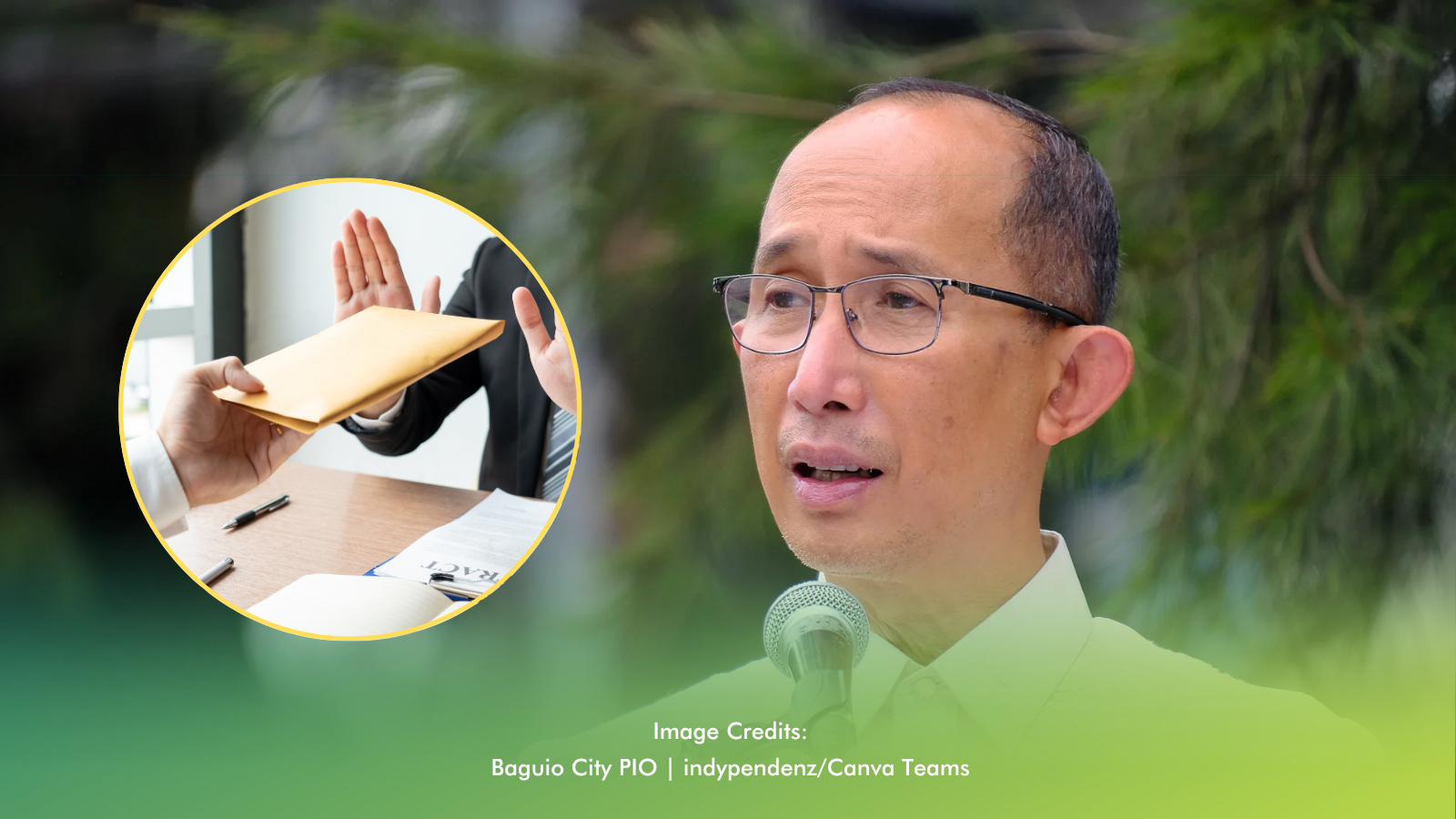
Baguio City Mayor Benjamin “Benjie” Magalong has issued a stark warning: corruption in infrastructure projects may be siphoning as much as 70% of allocated budgets. In practical terms, he suggests that if 40% of project funds go to bribes, the remaining sum is stretched dangerously thin, resulting in substandard construction—thinner concrete and weakened drainage systems that compromise project integrity.
Urban planner Jun Palafox echoes Magalong’s concern, stressing that such high corruption rates contribute directly to failed flood control systems. According to Palafox, the poor-quality construction resulting from diverted funds manifests in infrastructure that simply can't endure—drains clog with debris, flood defenses fail, and communities remain vulnerable.
RELATED: [DPWH Begins Probe On Flood Control Projects]
Crippling Habit
Magalong, himself a retired National Police official turned mayor, underscores that this isn’t a matter of occasional mismanagement but reflects a structural and highly organized corruption network embedded in government infrastructure contracting.
Importantly, these aren’t isolated claims. Palafox frames this crisis within broader Philippine patterns: when vast sums are skimmed off for kickbacks, the backlash isn’t just financial—it’s infrastructural and humanitarian. Flood control projects, meant to safeguard public safety, instead fail precisely because corners are cut at the behest of corrupt interests.
The Broader Impact
1. Compromised safety and resilience: Flooding worsens when infrastructure is built with thin materials and poor designs.
2. Eroded public trust: Repeated project failures due to graft disillusion communities.
3. Economic wastage: Funds intended to protect and enhance public welfare end up enriching corrupt individuals.
Bigger Than Buildings
Magalong’s statement shines a light on the deep-rooted corruption affecting Philippine infrastructure—an issue far beyond occasional leakages. Palafox’s analysis adds clarity: when graft infiltrates baseline project costs, it erodes the very foundations meant to support communities. Addressing it demands bold, systemic reforms to ensure infrastructure truly serves its people—not profiteers.
RELATED: [#BahaPH: Land Subsidence, Metro Manila's Silent Enemy]