Senator Chiz Escudero has renewed calls for stronger energy safeguards, including a proposed regional fuel-sharing framework under ASEAN and a domestic crude oil storage system through Senate Bill No. 1993, which aims to establish a strategic petroleum reserve capable of holding up to 180 days of national consumption. The proposal comes as global oil markets remain volatile and the Philippines continues to face rising energy costs and supply risks.
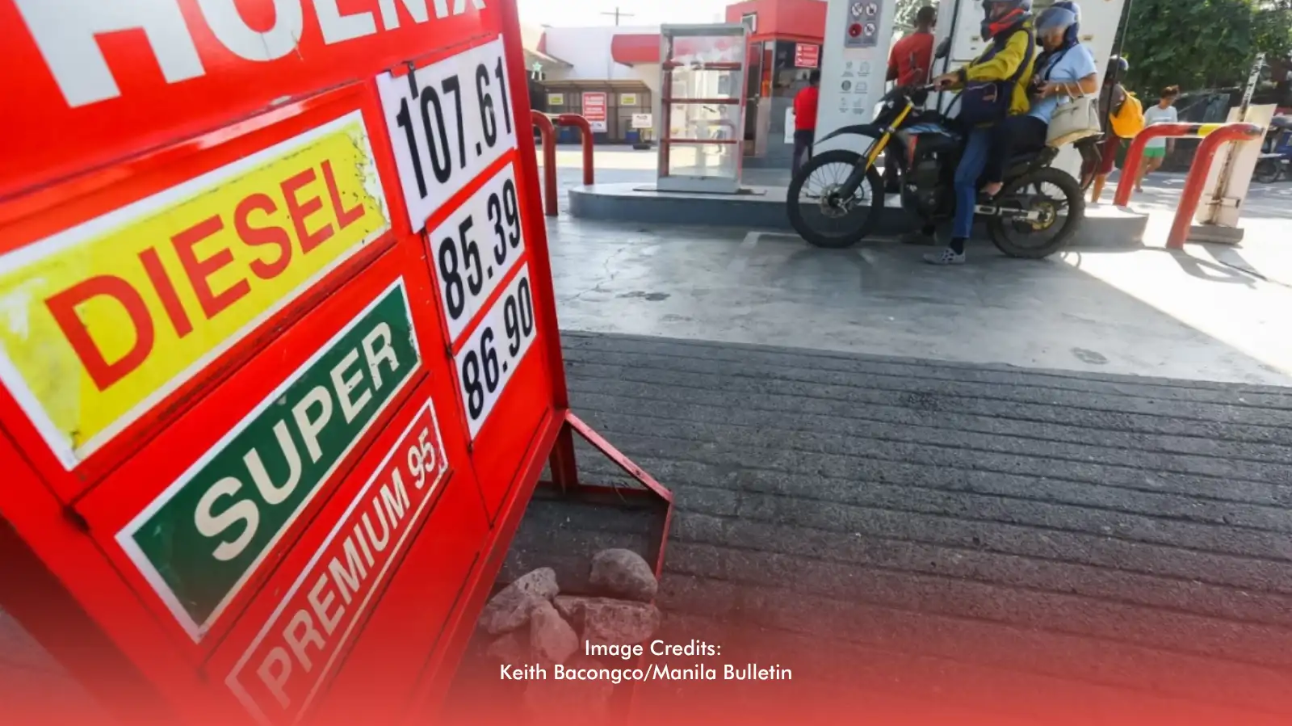
At its core, the discussion reflects a broader issue: how prepared the Philippines is to handle global energy shocks. With fuel prices heavily influenced by geopolitical tensions and supply chain disruptions, the country’s dependence on imported energy exposes its economy to external pressures beyond its control.
“The current volatility in the Middle East highlights the urgency of a regional action, with oil prices rising and supply chains vulnerable. We have to act as one ASEAN,” Escudero said.
A System Tested by Global Oil Volatility
Recent developments in global oil markets, particularly tensions in the Middle East, continue to drive uncertainty in supply and pricing. These disruptions highlight the fragility of global energy flows and the vulnerability of countries like the Philippines that rely heavily on imports.
Even brief disruptions in key routes such as the Strait of Hormuz can trigger immediate price increases, affecting fuel costs, transport systems, food logistics, and power generation. For an archipelagic country, these impacts are magnified by logistical challenges and limited domestic reserves.
The Philippines’ energy structure further compounds the issue. A significant share of electricity still comes from imported coal, while oil remains critical for transportation and off-grid areas. As a result, global price movements quickly translate into higher costs for consumers, contributing to some of the highest electricity rates in Asia.
This raises broader questions whether existing systems are sufficient to absorb or cushion these shocks, or if structural reforms are needed to improve resilience.
Regional Cooperation and the Limits of Current Systems
Part of the response being discussed involves strengthening regional cooperation through the ASEAN Petroleum Security Agreement (APSA). The proposed framework would allow member states to support one another during fuel shortages, particularly when a country experiences at least a 10 percent shortfall in supply.
While the idea promotes solidarity, its effectiveness will depend on implementation and the willingness of member countries to contribute during crises. Oil-producing ASEAN members such as Brunei Darussalam, Indonesia, and Malaysia are seen as key anchors of the system, but the challenge lies in ensuring that pledged resources can be mobilized quickly when needed. Fuel-sharing, in this context, becomes less about resources alone and more about coordination, trust, and enforceable mechanisms that can function under pressure.
Domestic Safeguards and Energy Preparedness
On the domestic front, the proposed crude oil storage facility under Senate Bill No. 1993 seeks to address a long-standing gap in the country’s preparedness. The plan to establish a government-owned petroleum reserve, capable of storing up to 180 days of fuel, aims to provide a buffer against sudden supply disruptions, global crises, and price spikes.
The Philippines currently imports about 90 to 95 percent of its crude oil and refined petroleum needs, leaving it highly exposed to external shocks. Without sufficient strategic reserves, the country absorbs the full impact of global market fluctuations almost immediately. A national stockpile, as proposed, would allow the government to release fuel during shortages or extreme price surges, helping stabilize supply for essential sectors such as transport, agriculture, and power generation.
At the same time, there is also a push for amendments to the TRAIN Law to allow the President to more quickly suspend or reduce fuel taxes during periods of extreme price increases. The current system requires specific conditions before such measures can be taken, which can delay relief for consumers.
This highlights other layers of the issue such as policy responsiveness. In times of crisis, the ability to act quickly can determine how deeply an economy is affected.
Balancing Reform and Reality
Taken together, the discussions on ASEAN fuel-sharing, strategic reserves, and tax reforms point to a broader reality, the Philippines remains structurally vulnerable to global energy shocks. While reforms are being proposed, the gap between policy and implementation continues to shape how resilient the country truly is.
As global oil markets remain unpredictable, the challenge lies not just in responding to crises, but in building systems that can anticipate and absorb them.
RELATED: [PH Worst Hit By Fuel Price Hikes In Southeast Asia—DOE Chief Explains Why]