
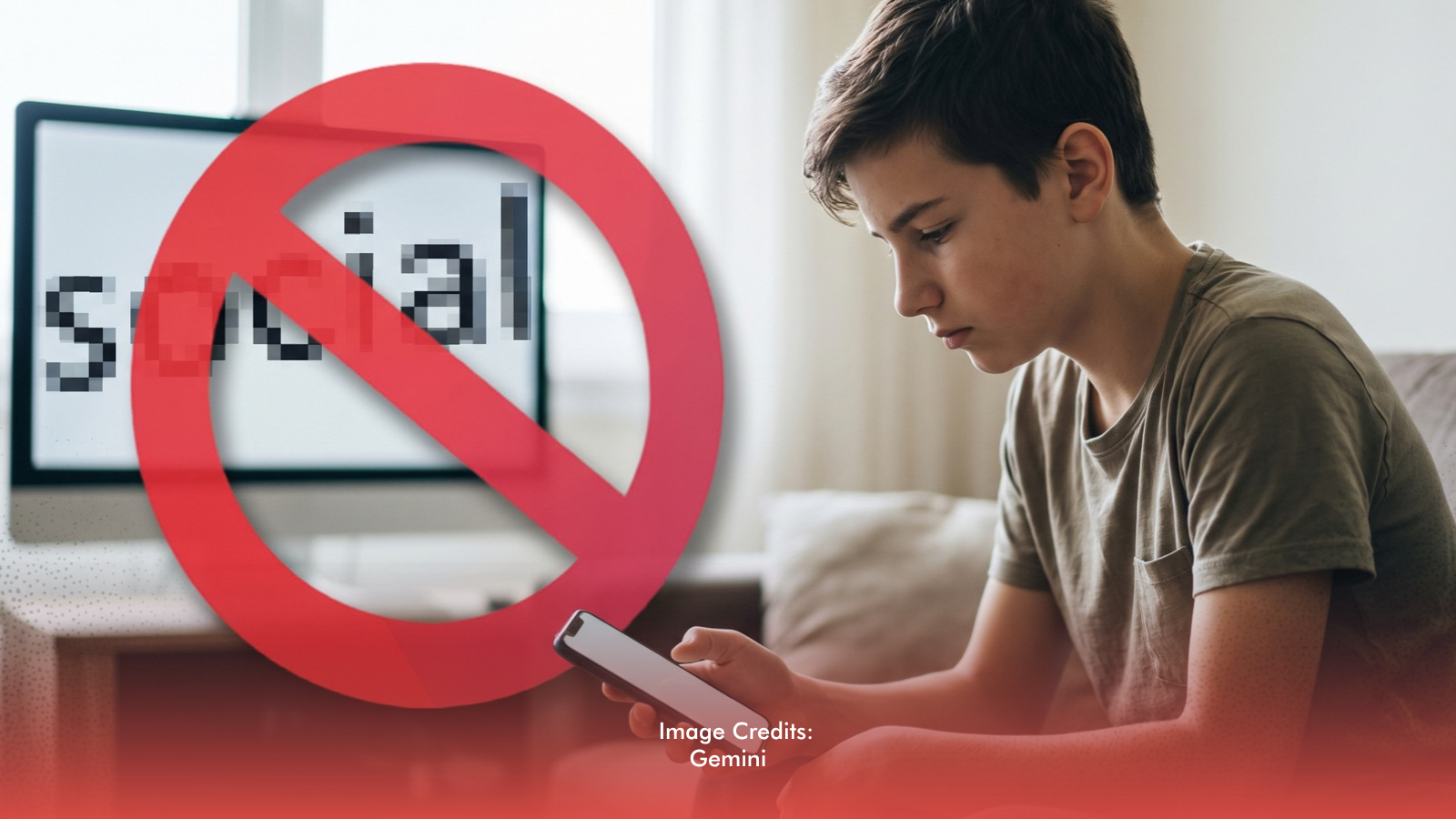
The Senate has approved a bill seeking to prohibit minors below 18 from accessing and maintaining accounts on age-restricted social media platforms, citing the need to protect children from online harm.
Senate Bill No. 2424, or the Safe Media Access and Responsible Technology for Kids in Digital Spaces (Smart Kids) Act, was approved in a 16-1-0 vote. Sen. Risa Hontiveros was the lone senator who voted against the measure.
Sponsored by Sen. Robinhood Padilla, the bill aims to protect children from the physical, mental, social, and emotional risks associated with social media use.
Minors Below 18 to Face Social Media Restrictions
If enacted, the measure would prohibit minors from registering, accessing, using, maintaining, operating, or creating accounts on age-restricted social media platforms. Existing accounts would also be subject to suspension or deactivation.
International social media platforms operating in the Philippines would be required to comply with the law, designate local representatives, and coordinate with Philippine authorities.
Violating high-risk digital services could face administrative fines ranging from P5 million to P20 million per violation. Parents and guardians who violate the measure could also face fines of P5,000 to P20,000 or community service.
Hontiveros Questions Total Ban
Hontiveros opposed the measure, citing young people who rely on social media for income and overseas Filipino workers who use these platforms to stay connected with their children.
She proposed a tiered restriction system for adolescents, with stronger safeguards for younger users. She also warned that a total ban could lead young people to find ways to circumvent the law.
Padilla described the measure as an important step toward strengthening children's online protection.
Villanueva Stresses Platforms' Accountability
Sen. Joel Villanueva reminded digital platforms that their earnings come with a responsibility to protect young users.
“Kasabay ng inyong kita ang inyong pananagutan,” he said, adding that children's welfare must take priority over likes and views.
Meanwhile, the House of Representatives has passed a similar measure on second reading. However, the House version covers children aged 13 and below, while the Senate proposal applies to minors below 18.
The differing provisions must be reconciled before the measure can proceed toward enactment.