Filipino migrant workers in the Commonwealth of the Northern Mariana Islands (CNMI) and other parts of Micronesia are expected to gain easier access to Philippine labor services with the planned opening of a Migrant Workers Office in Guam.
Philippine Consul General in Guam Rosario P. Lemque said a labor officer and an assistant are expected to arrive in Guam within the month, paving the way for the new office to begin handling labor-related concerns closer to the communities it will serve.
RELATED: [PH, Mongolia Explore Labor Deal for OFW Protection]
New Office to Handle Labor Documents Across Micronesia
At present, labor documents involving Filipino workers in the CNMI are processed through the Philippine Embassy in Washington, D.C., whose labor office has jurisdiction over the Commonwealth.
The Guam Migrant Workers Office is expected to assume responsibility for labor documents in jurisdictions covered by the Philippine Consulate General in Guam once it becomes operational.
“So that means from Guam, CNMI, Palau, FSM, and RMI,” Lemque said.
The planned office is expected to reduce the distance Filipino migrant workers need to navigate when seeking labor-related services in the CNMI and elsewhere in Micronesia.
Lemque also discussed the absence of a Philippine honorary consul in the CNMI. She said no one has applied for the position and encouraged qualified individuals interested in serving as honorary consul in the Commonwealth to contact the Philippine Consulate General in Guam.
“It's sad to say there's no application. The consulate has not received any application,” Lemque said.
She also recognized the contributions of Filipino workers to the CNMI and encouraged them to continue building on the reputation of Filipinos working overseas.
“The Filipino worker is valued and very well respected all over the world,” Lemque said. “So just keep on doing your best and contributing to the community here. Not just to the Filipino community, but to the general CNMI community,” she added.
Undocumented Filipinos Raise Concerns Over Access to Assistance
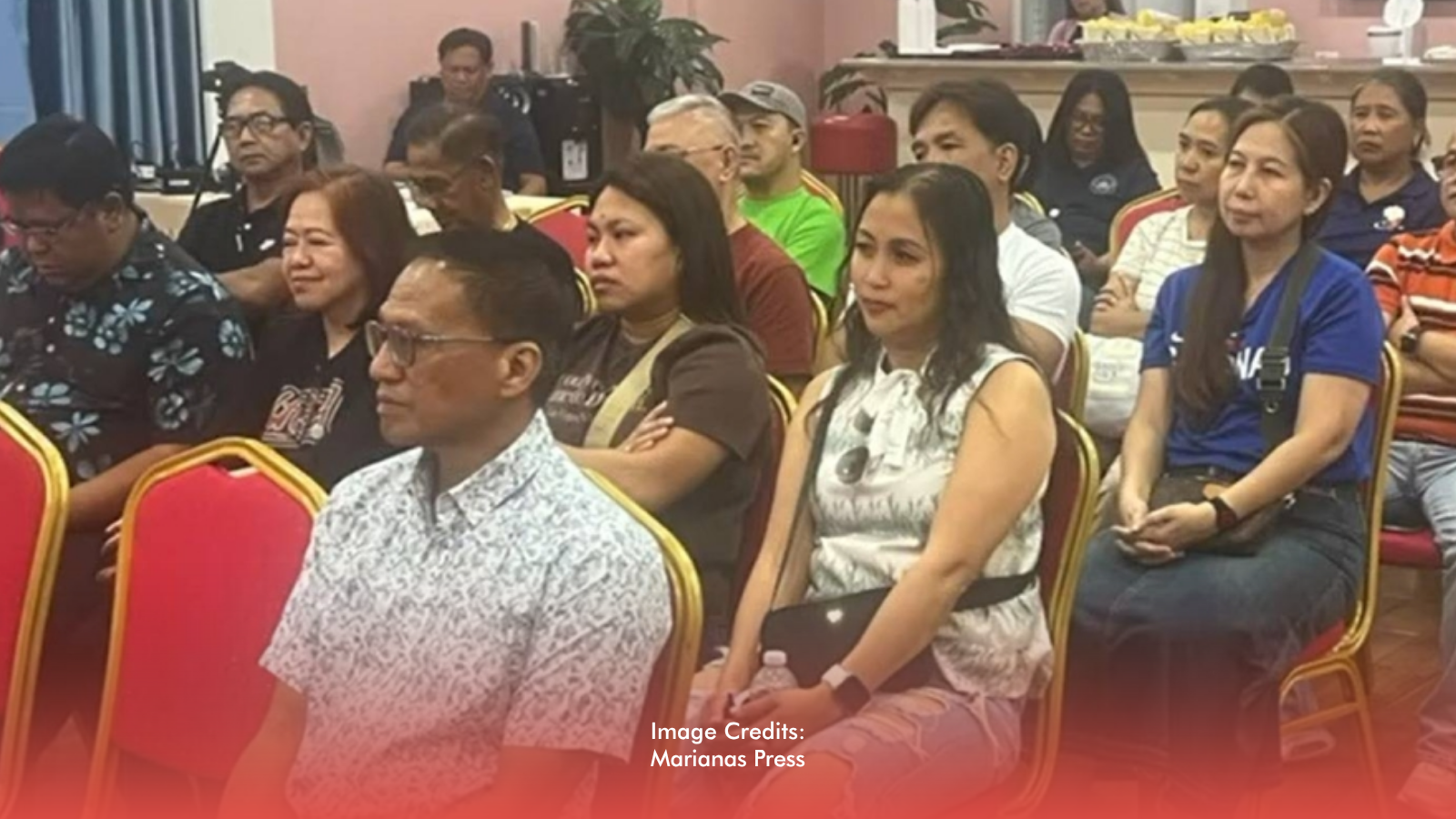
The planned labor office was among developments discussed during a recent town hall meeting in Saipan, where community concerns over undocumented Filipinos were also raised.
Lemque told The Manila Times that the concern expressed by Filipino community leaders for undocumented compatriots was one of the issues that particularly stood out during her visit.
“I suppose I am amazed at how they care about the fellow Filipinos here, especially those who are undocumented and are really in need of help,” Lemque said.
A Filipino community leader said economic circumstances can force some Filipinos to overstay rather than making it a matter of personal choice.
“For me, sir, the take of the Filipinos who overstay, it's not by choice. It's necessity,” the community leader said.
He also questioned what forms of assistance are available to Filipinos who have spent years living and working in the CNMI but later face circumstances such as injury, serious illness or other situations requiring help.
Immigration status can leave undocumented Filipinos with fewer options when they need assistance, highlighting a gap that community members have often tried to address themselves. Lemque thanked Filipinos who have contributed their own money and time to help compatriots in difficult situations.
“I'm so thankful for many of the fellow Filipinos who have over the years been helping on their own, sharing their financial resources and their time to help the fellow Filipinos who are in need of help,” she said.
She said these community-led efforts complement assistance provided by the Philippine government to Filipinos in need in the Commonwealth.
The Guam office could make Philippine labor services more accessible across a region where Filipino workers contribute to local communities but may face practical barriers when seeking government assistance. Its planned coverage of Guam, CNMI, Palau, FSM and RMI also gives the Philippines a closer point of service for workers dealing with employment concerns, documentation and other labor-related needs.
RELATED: [OFWs To Benefit From New TESDA-OWWA Partnership On Skills Development]