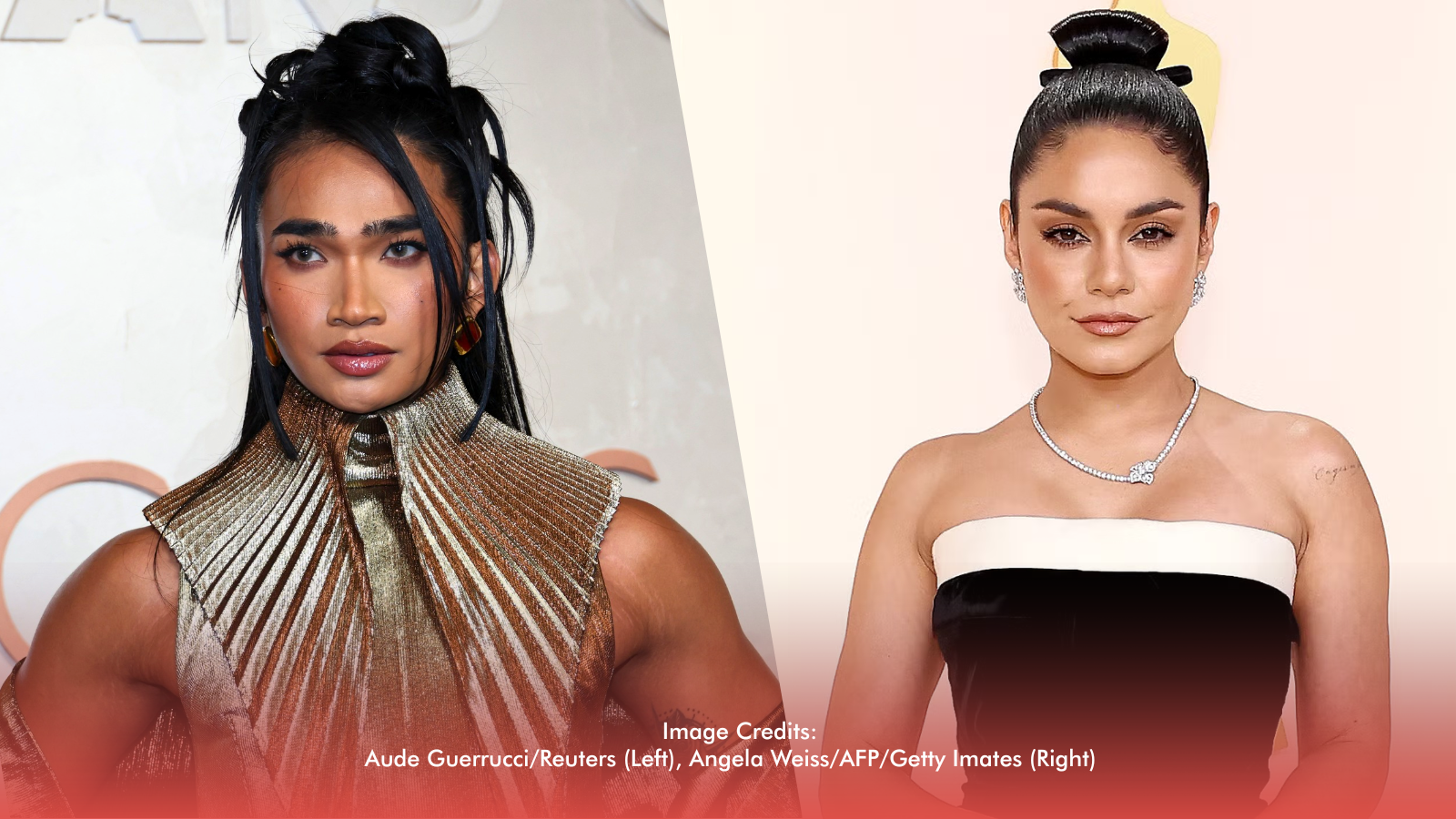
Pinoy pride shines when shared openly, but it can stumble when expectations aren’t met. This tension resurfaced after influencer Bretman Rock spoke about a past experience with actress Vanessa Hudgens. From there, his story turned into a wider conversation about authenticity, visibility, and what it really means to claim Filipino roots in the global spotlight.
Rock Versus Hudgens
On the Sweet or Savory Podcast, Bretman recalled a disappointing encounter with Hudgens at Coachella, where he felt she avoided interacting with him despite both being invited by the same brand. While this seemed personal, it resonated because it echoed his earlier jabs about how she presents her Filipino roots.
Those comments gained more weight after Hudgens was appointed "Global Tourism Ambassador for the Philippines" back in March 2023. The role was meant to spotlight her heritage and was tied to a planned travel documentary that would follow her and her family in the country. The appointment drew mixed reactions: some welcomed the global exposure, while others questioned whether Hudgens had shown enough connection to Filipino culture prior to the ambassadorship.
Criticism grew as the documentary is still nowhere to be found, reinforcing doubts about whether the ambassadorship reflected genuine engagement or just a vanity project. From there, Bretman's remarks became more than just isolated shade; it became part of a wider discomfort over who represents our identity and how.
A Curious Case of Pinoy Pride
Bretman’s comments on the podcast highlight a larger question about Western celebrities claiming Filipino identity. On the one hand, Hudgens has said she’s proud of her roots and is learning more about them, even if she grew up mostly in the U.S. But on the other hand, Bretman’s daily celebration of Filipino culture, from food to travel and even collaborations with local brands, resonates as “authentic” for many Filipinos because it feels consistent and lived-in.
But let's remember that Pinoy pride, while deeply personal, is also a two-way street: it can feel hollow when it isn't reciprocated. Having Filipino blood doesn't automatically mean someone embraces that publicly, just as some celebrities with Pinoy roots choose not to center it in their careers.
Now this isn't about Hudgens being wrong or "less Filipino." It's a question of how her ambassadorship is being perceived: Is it true? Or is it timed? If the goal of cultural representation is to reflect genuine and sustained pride, critics argue whether the role should go to someone whose Filipino connection is already visible. Because at the end of the day, Pinoy pride isn't proven by titles, but through presence, consistency, and intent.
2-MINUTE READ: [Pinoy Taste and the Michelin Guide: Why Local Favorites Were Left Out]