
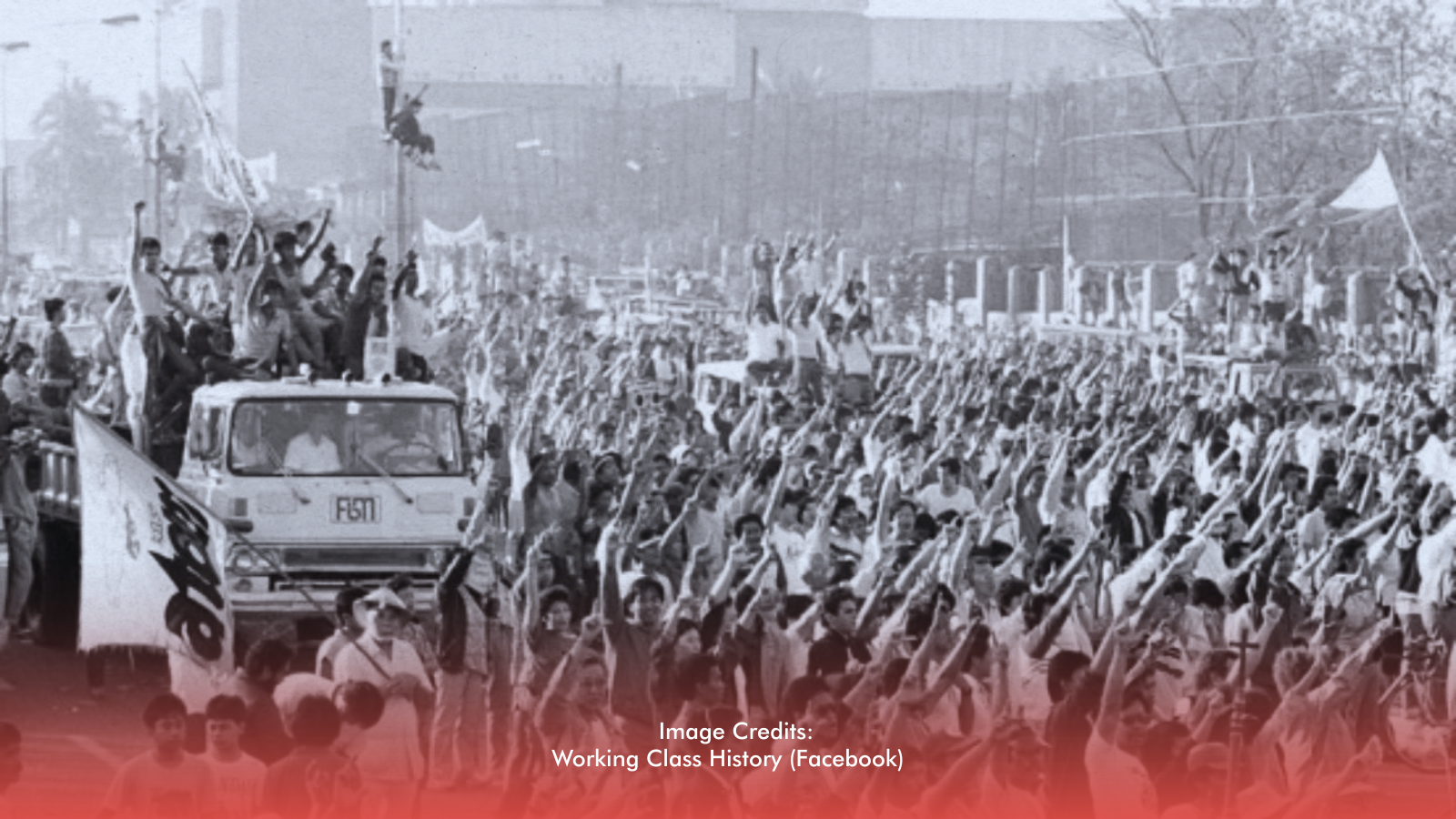
Forty years ago millions of Filipinos filled the streets of Metro Manila demanding the end of a dictatorship. People faced soldiers, tanks, and tear gas. Every step carried risk, and every chant carried hope. Mass presence forced attention and immediate response.
The pressure was direct, and the outcome was tangible. But today, with the inevitable rush of modern technology - protests are now wholly different.
From Streets to Screens
Social media has currently become the primary platform for activism. Hashtags trend, posts go viral, and videos reach millions within hours. It allows citizens to raise awareness quickly and mobilize support across regions without leaving their homes.
Stories that might have been ignored in the past can now gain national attention in a single day. Online tools also enable faster coordination, sharing of information, and documentation of events in real time.
Online activism has strengths and weaknesses that shape how citizens engage. Social media can amplify voices that would otherwise be silenced and connect people across geographic barriers. Viral campaigns can influence public opinion and sometimes even draw media coverage or political response.
Modern Activism and Its Challenges
Yet the system also has limits. Outrage can flare and disappear quickly, leaving little real-world impact. Algorithms determine which posts are visible, and misinformation can spread as fast as fact.
Trolls and coordinated harassment campaigns can intimidate users, discouraging participation. Unlike physical protests, online actions rarely create immediate pressure on authorities. Sustained engagement is difficult when attention shifts quickly from one viral topic to another.
The risk of performative activism is high, with likes, shares, and hashtags sometimes substituting for tangible action.
Despite these differences, the goals of protest remain consistent. Citizens still challenge corruption, demand accountability, and push for justice.
The energy of activism has shifted from streets to feeds, notifications, and comment threads, but the need for persistence remains. Modern activism requires turning viral attention into concrete results through petitions, campaigns, or offline action.
Same Fight, Different Tools
Looking back, the streets of 1986 achieved something immediate and undeniable.
Change happened because millions were willing to risk everything in a visible, collective stand.
Today, the tools are different and the impact harder to measure. For some, social media activism represents hope, connection, and the power to make voices heard.
For others, it feels fleeting, performative, and fragmented. Yes - online activism can reach more people faster, but it does not always force immediate results.
However, as with everything else there must always be a certain openness to change. This digital shift in the way Filipinos speak and fight, in this instance, does not necessarily mean that it is not as impactful as "taking it into the streets."
Quite frankly, it's even better. Rallies and movements against the government has always been about imposing the voice of the people upon our leaders. This digital metamorphosis has amplified the voices of Filipinos to reach even the further ends of the country, and in turn, making the fight bigger than it was before.