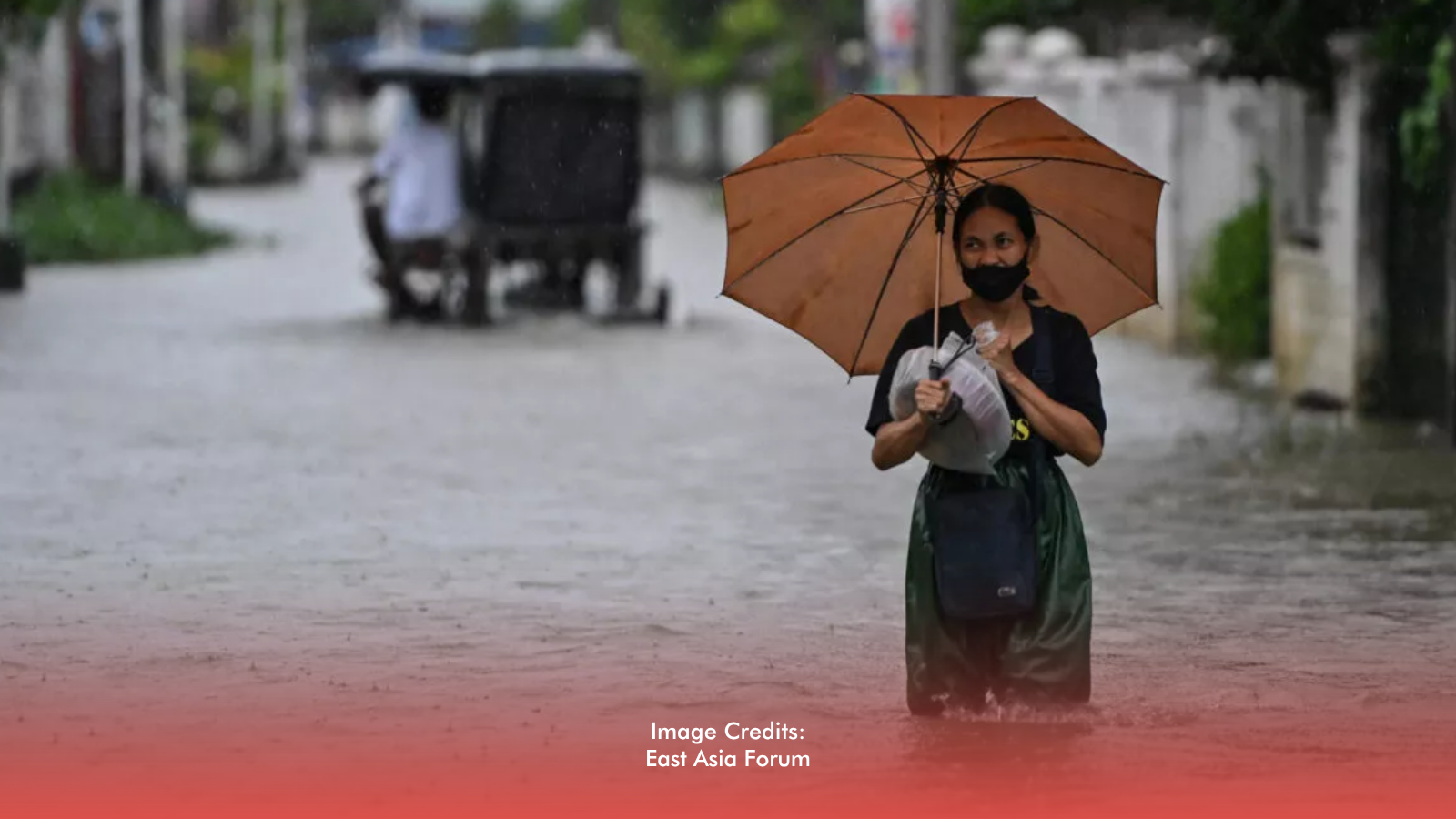
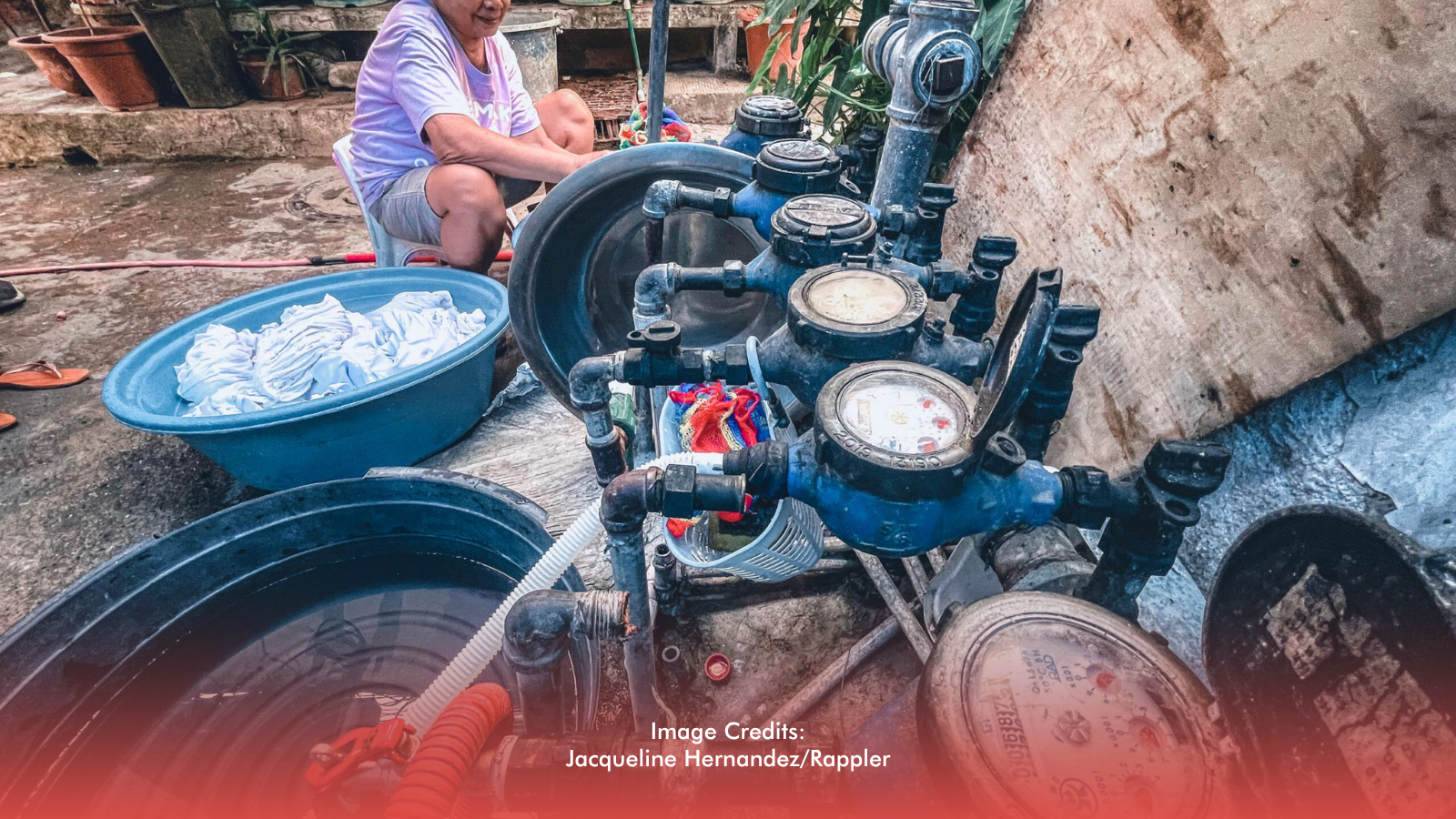
The hidden impact of the power crisis on water services is becoming harder to ignore as rotating brownouts and grid alerts affect multiple areas across the Philippines. While most people immediately feel the effects through outages and rising electricity demand, another essential service is quietly being affected in the background: the water supply.
As the country faces tighter power reserves, especially during periods of extreme heat, the connection between electricity and water systems is becoming more evident. What many see as separate issues are, in reality, deeply interconnected.
RELATED: [The Real Water Crisis Isn’t What You Think]
When Power Fails, Water Systems Slow Down
Water systems rely heavily on electricity to function. From extracting water at the source to treating and distributing it to households, nearly every stage of the process depends on consistent power. Pumping stations, treatment facilities, and pressure systems all require electricity to operate efficiently.
When brownouts or rotational outages occur, these operations can be disrupted. Pumping may be delayed, treatment processes can slow down, and water pressure may drop, especially in elevated or far-reaching areas. Even short interruptions in power can affect the continuity of supply, particularly during peak demand hours.
This means that in some cases, water interruptions are not solely caused by a lack of supply, but by temporary disruptions in the systems that deliver it.
A Double Strain During Extreme Heat
The situation becomes more complex during periods of intense heat, such as the current conditions affecting the country. High temperatures drive up electricity consumption, pushing the power grid closer to its limits. At the same time, water demand also increases, as households use more water for daily needs, cooling, and sanitation.
This creates a dual strain: the power system is under pressure to meet rising demand, while water systems depend on that same electricity to keep the supply moving. When the grid struggles, the impact is felt across both sectors simultaneously.
The result is a cycle where power instability can contribute to water supply challenges, making service interruptions more likely during already critical periods.
One System, Multiple Impacts
The connection between power and water highlights a broader reality: infrastructure systems do not operate in isolation. Electricity, water, and other essential services are part of a larger network that depends on stability across all components.
When one system experiences stress, others can be affected as well. In this case, the ongoing power challenges are not just an energy issue; they are also influencing how reliably water can be delivered to communities. Understanding this connection is important in reframing how service interruptions are viewed. Rather than isolated problems, they can often be traced back to shared pressures within interconnected systems.
As demand continues to grow and external pressures increase, the need for more resilient infrastructure becomes more urgent. Strengthening power supply stability and modernizing water systems are both essential to ensuring reliable service.
Because in the end, the issue is not just about electricity or water alone, it’s about how well the systems that support daily life can work together under pressure.
RELATED: [How Declining Water Quality In PH Is Affecting Supply]