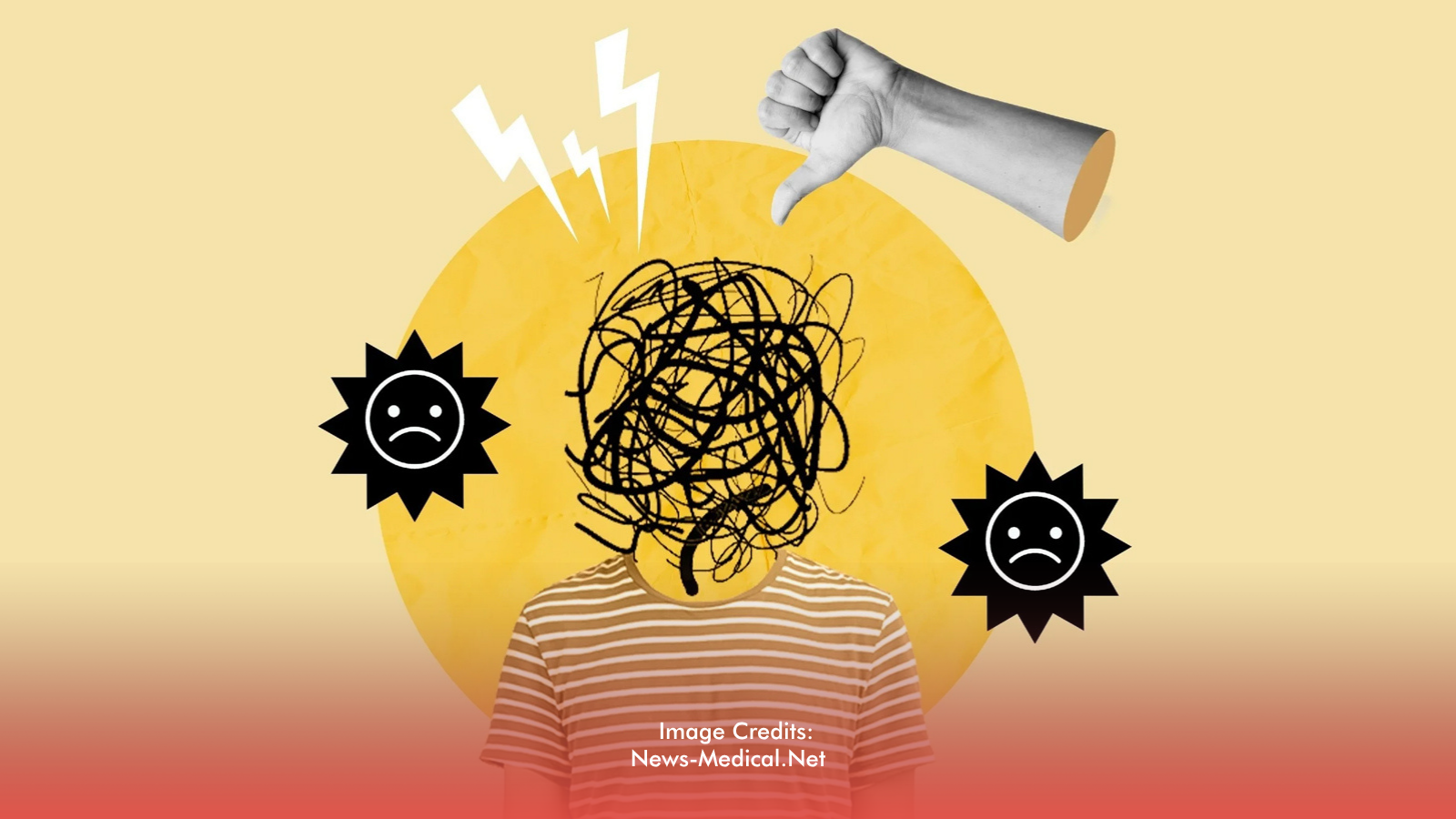
Every May, the Philippines observes Mental Health Awareness Month alongside the global community, highlighting a growing concern that affects millions of Filipinos. Conditions such as anxiety, depression, and other mental health disorders continue to rise, yet many individuals still suffer in silence due to stigma, limited access to care, and lack of awareness.
According to a recent study, it is estimated that between 7 million and 12.5 million Filipinos have been diagnosed with one form of mental health condition or another. Among the most common are extreme anxiety and depression. It must be noted, however, that these figures only reflect reported cases, with scant information available on unreported or undiagnosed conditions. What is more concerning is that reported cases are estimated to be increasing by around 2 percent. A large number of these cases come from the youth sector, particularly those within the 15 to 19 age bracket.
Across different sectors, the pressure remains evident. Students struggle with academic demands and uncertainty about the future. Young professionals face burnout, job insecurity, and overwhelming workloads. Parents and caregivers carry both emotional and financial stress. Despite these realities, mental health concerns often go unaddressed, especially in communities where services are scarce and stigma remains strong.
[RELATED: Understanding Mental Fatigue]
The Need for Accessible Support
Mental health care must be accessible, affordable, and community-based. This includes counseling, therapy, and psychiatric services integrated into local health systems. Schools and workplaces also play a critical role by creating safe environments, promoting balance, and providing psychosocial support.
At the community level, hotlines, peer support groups, and barangay-based mental health programs can offer early intervention. Strengthening local government capacity is also essential, particularly in underserved and rural areas.
Policy Action and Gaps in Implementation
The Mental Health Act (Republic Act No. 11036) laid the foundation for a more inclusive mental health system in the country, but gaps remain in funding, manpower, and accessibility.
To address these challenges, Sen. Camille Villar has filed several measures aimed at strengthening mental health care and Filipinos’ well-being. These include establishing Mental Health and Wellness Centers in key provinces and cities, strengthening school-based mental health programs, integrating mental health services into primary healthcare, and promoting workplace mental health policies.
Her proposed bills also seek to expand Philippine Health Insurance Corporation (PhilHealth) coverage to include mental health disorders and provide mental health wellness leave for both public and private sector workers. Villar emphasized that mental health wellness should be treated as a basic right, not a privilege.
Moving Forward
Mental health is health. As awareness grows, so must action from government institutions, schools, workplaces, and communities. Building a system that prioritizes early intervention, accessible care, and dignity for those affected is key to ensuring that no Filipino faces mental health struggles alone.