A book cover is often the first thing we see before we ever read a single page. It can shape how we imagine a story, introduce us to its characters, and set the tone for the experience ahead. But as generative AI becomes increasingly capable of producing images in seconds, even this traditionally human part of publishing is changing.
What Happened?
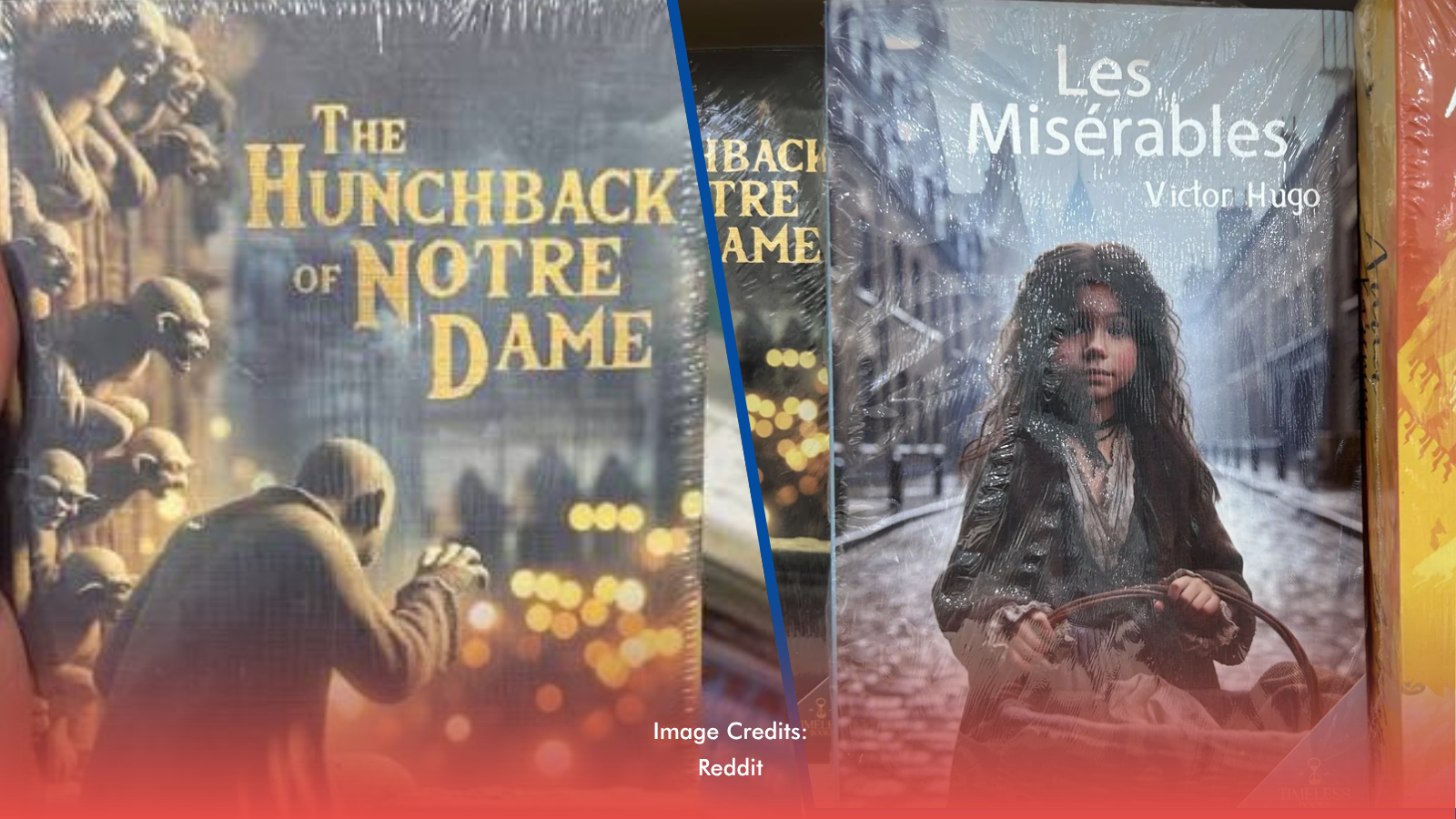
Readers recently found themselves debating that change after suspected AI-generated covers of classic novels Les Misérables and The Hunchback of Notre Dame appeared on National Book Store shelves. The former’s cover, in particular, became a point of contention because of the oddly rendered hands of the young girl pictured on it.
Online discourse then centered on why publishers would use suspected AI artwork for classic literature. Others also pointed to the ?399 price and compared it to other editions. However, these books were published by Timeless Books, so NBS appears to be the retailer rather than the creator [of these covers]. Plus, it is also not independently confirmed if generative AI was actually used.
First Impressions
That being said, what if judging a book by its cover isn’t as shallow as we think, at least literally?
Back in 2015, Filipino book historian Mary Jurilla argued that covers are more than just “surface matter.” They can influence sales, establish a book’s identity, and even become works of art themselves. She used Philippine classics like Florante at Laura and Noli Me Tangere as examples, with the former being visually reinterpreted across generations and the latter incorporating elements from Jose Rizal’s original manuscript.
Bottom line: a book cover becomes another way of introducing the story to the reader.
Is AI Automatically at Fault?
The answer’s more nuanced than that.
There’s the argument that human-made covers aren’t always better or that AI has no place in the publishing process. Some readers also pointed out that inexpensive editions can make classic literature more accessible, particularly to students and readers on a budget. That’s something to note: if AI makes books more affordable, maybe we shouldn’t dismiss it based on aesthetics alone?
A machine can generate an image for a book. But the cover also determines how the story should be seen. So perhaps the bigger question isn’t whether AI belongs in book design, but what we choose to keep human when we use it.