As Habagat continues to flood communities, the Philippines faces a familiar question: are we building cities that can withstand flooding, or simply getting used to just ‘surviving’?
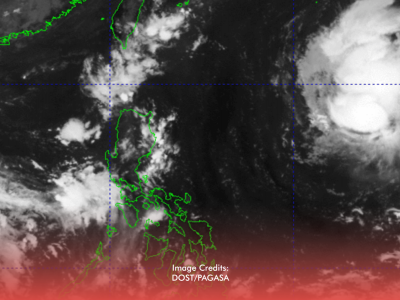
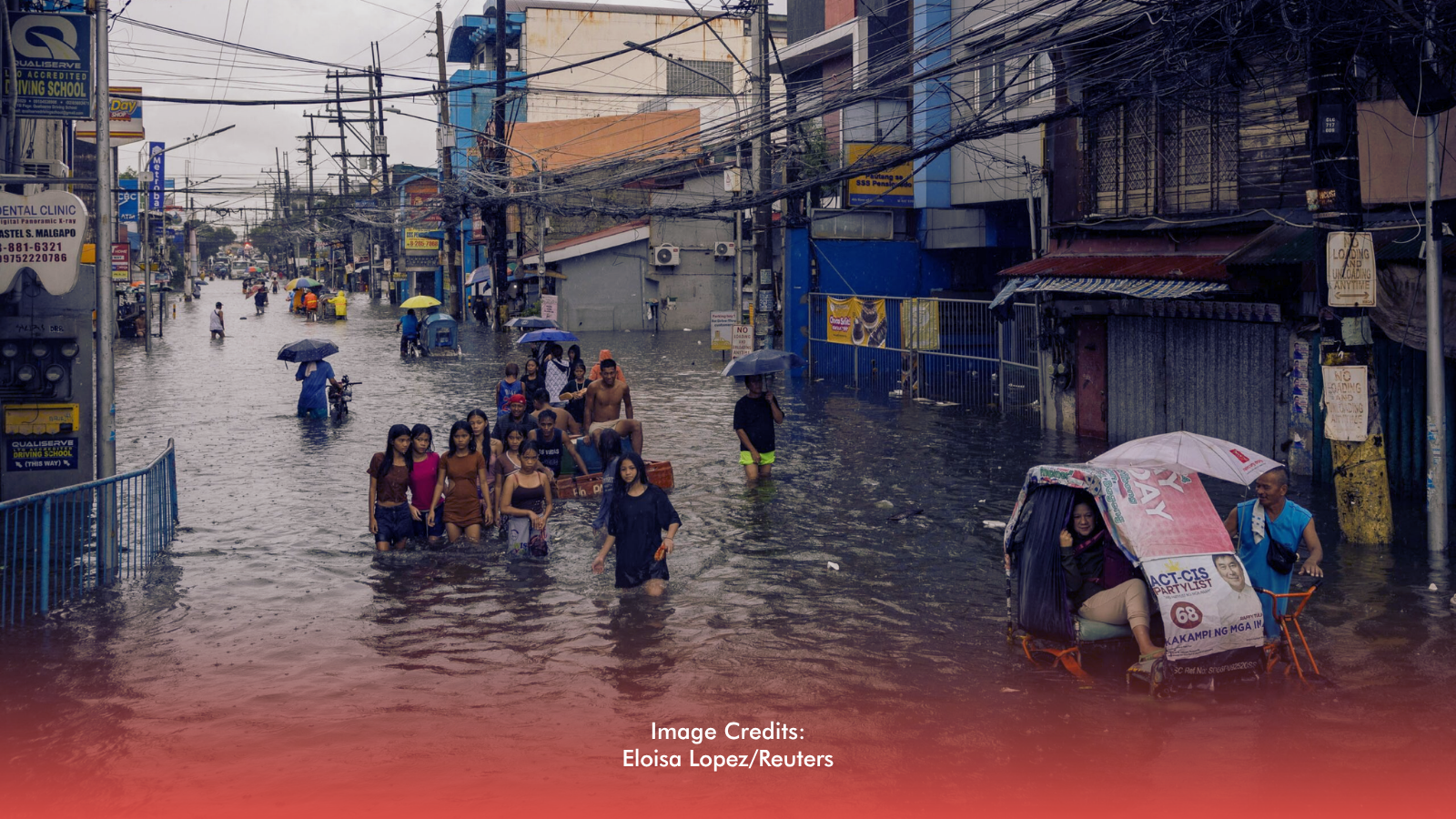
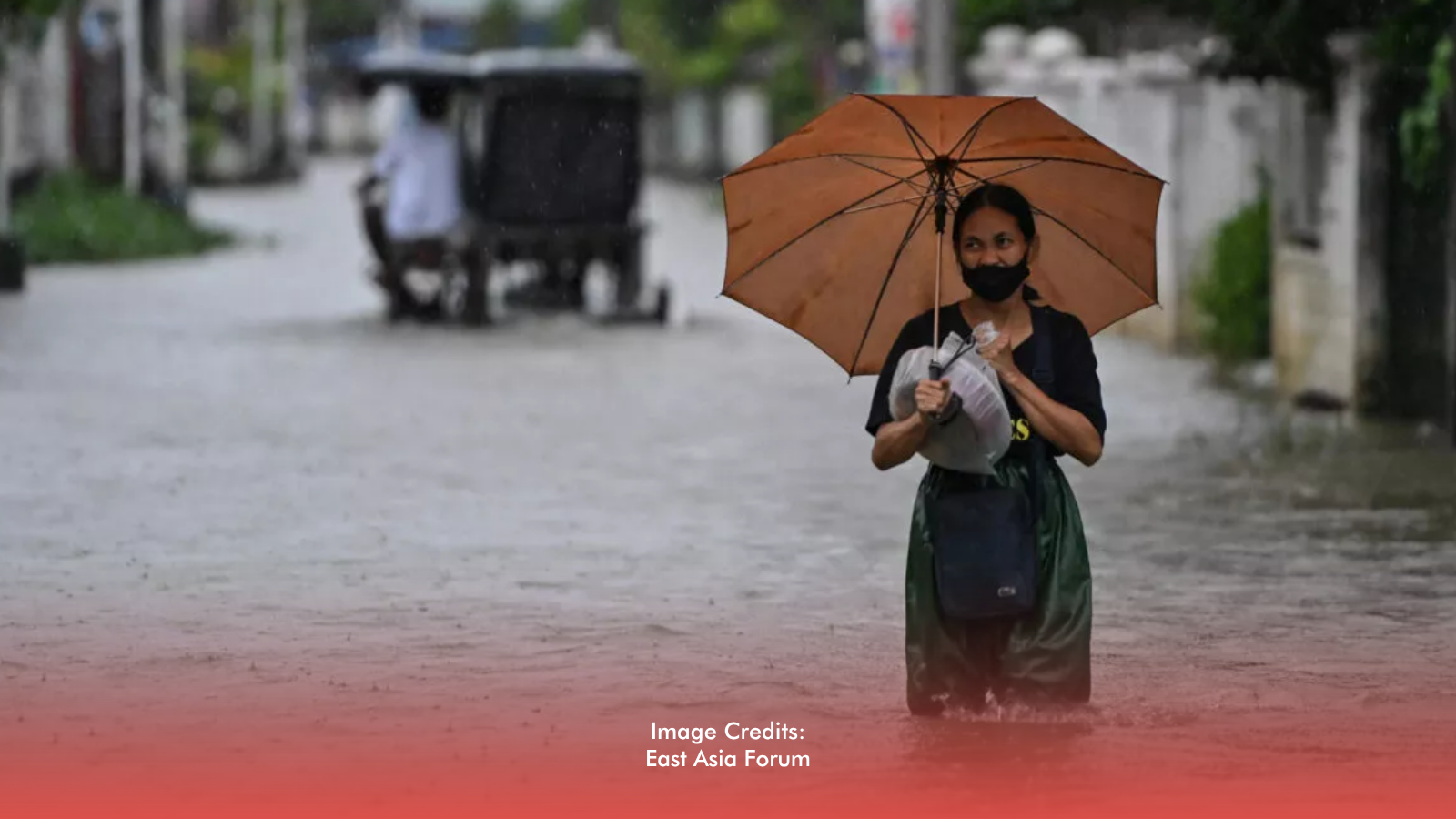
The rainy season has barely settled in, yet Filipinos are already dealing with flooded roads, disrupted commutes, evacuations, and suspended classes. The latest round of heavy rains from the southwest monsoon, or Habagat, has affected Metro Manila and nearby provinces, with some communities experiencing significant flooding.
And once again, the country is responding. But they also raise a bigger question:
After years of flood-control projects and disaster preparedness efforts, are Philippine cities actually becoming more resilient?
Flood Response Is Not Flood Resilience
The Philippines has invested heavily in flood control, from drainage improvements and pumping stations to river rehabilitation, dredging, and other infrastructure projects.
The government has also intensified efforts to clear drainage systems and waterways ahead of the rainy season.
But resilience is more than being able to respond quickly once streets are already underwater.
A truly flood-resilient city should be able to reduce damage before the rain becomes a crisis.
That means infrastructure that works, drainage systems that can handle heavy rainfall, properly maintained waterways, and urban planning that considers where water naturally flows. It also means reliable early warning systems and coordinated action between national agencies and local governments.
Why are we still flooding?
There is no single answer.
Rapid urbanization has changed how rainwater moves through cities. Concrete surfaces leave less space for water to be absorbed naturally. Blocked waterways and inadequate drainage can worsen flooding, while increasingly intense rainfall puts additional pressure on infrastructure.
Even major flood-control investments cannot solve the problem if projects are poorly planned, improperly maintained, or disconnected from the needs of the communities they are supposed to protect.
That makes the country's ongoing conversation about flood-control spending especially important. The government has reported thousands of completed and ongoing flood-control projects, but the question for communities is ultimately much simpler: Do they work when the rain comes?
What does resilience actually look like?
It looks like a commuter who can still get home safely.
A student who does not have to risk crossing a flooded road to attend class.
A business that can stay open because its neighborhood does not shut down after every major downpour.
And a family that does not have to worry that the next heavy rainfall could destroy everything they have built.
That is why flood resilience should not be measured only by how quickly government agencies respond after disaster strikes.
It should also be measured by how much disruption we prevent in the first place.
Let's Stop Calling Flooding “Normal”
The Philippines will always experience heavy rain. We cannot stop Habagat, and we cannot prevent every flood.
But we can decide how vulnerable our cities are when the water comes.
The goal should not simply be to become better at evacuating, recovering, and rebuilding.
It should be to build communities where every rainy season does not feel like another disaster waiting to happen.
Because the real question is no longer whether Philippine cities can survive the floods.
It is whether we are doing enough to make sure they don't have to.