Long before Fidel Ramos became president of the Philippines, he was the 29th Filipino to graduate from the United States Military Academy at West Point. And he was part of a small, extraordinary line of men whose stories rarely make it beyond military history circles, despite the scale of what they lived through.
A Narrow Door Into West Point
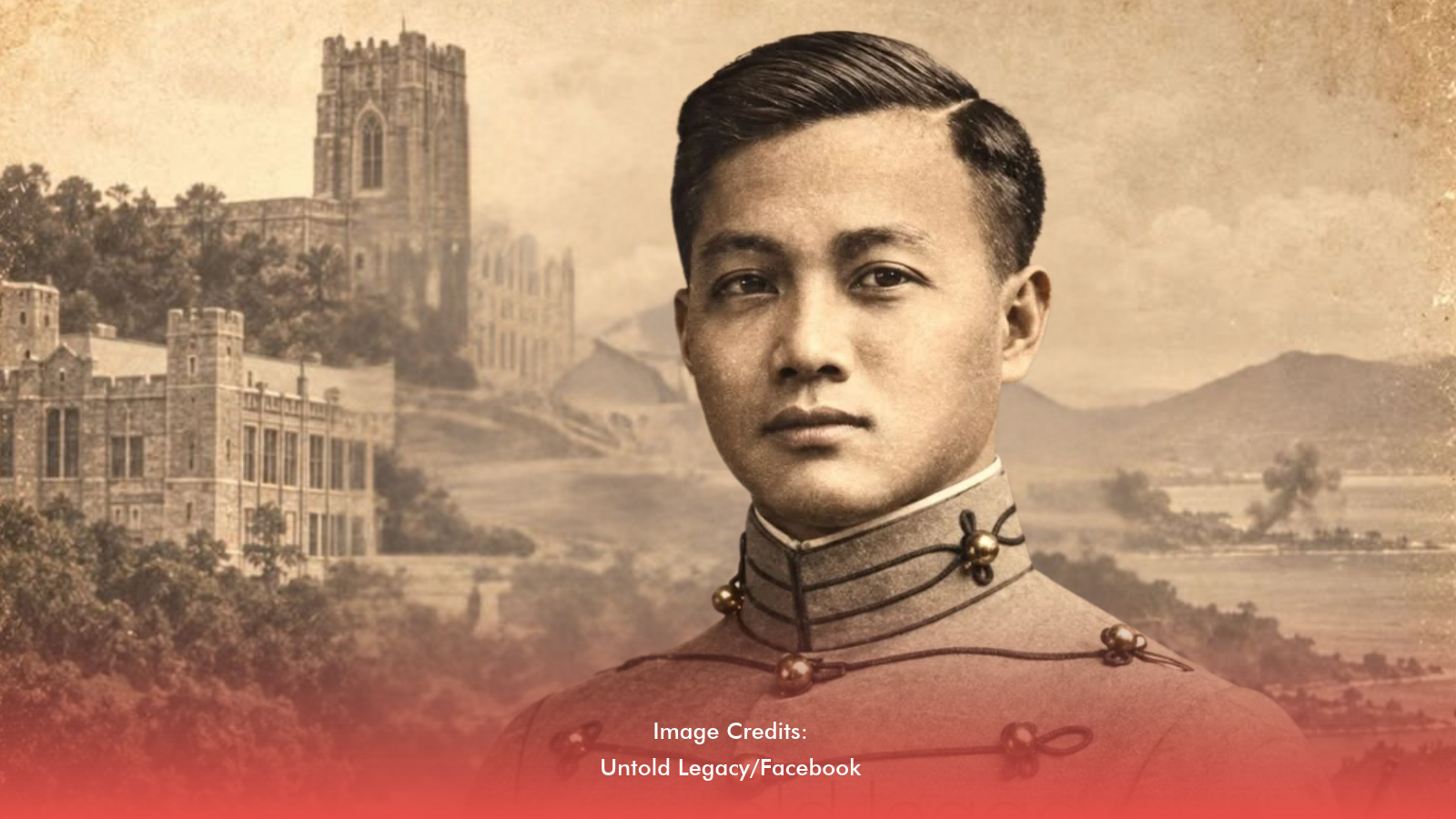
Under American colonial rule, a defense study program opened a narrow door for Filipinos into West Point, usually admitting just one candidate a year. Selection was brutally competitive, and every graduate owed at least eight years of military service in return. The first was Vicente Podico Lim, Class of 1914, followed over the next decades by men like Anastacio Ver, Rafael Garcia, Luis Salvosa, and Fidel Segundo. By the time Ramos graduated in 1950, only 29 Filipinos had completed the program.
Bataan, Twice Over
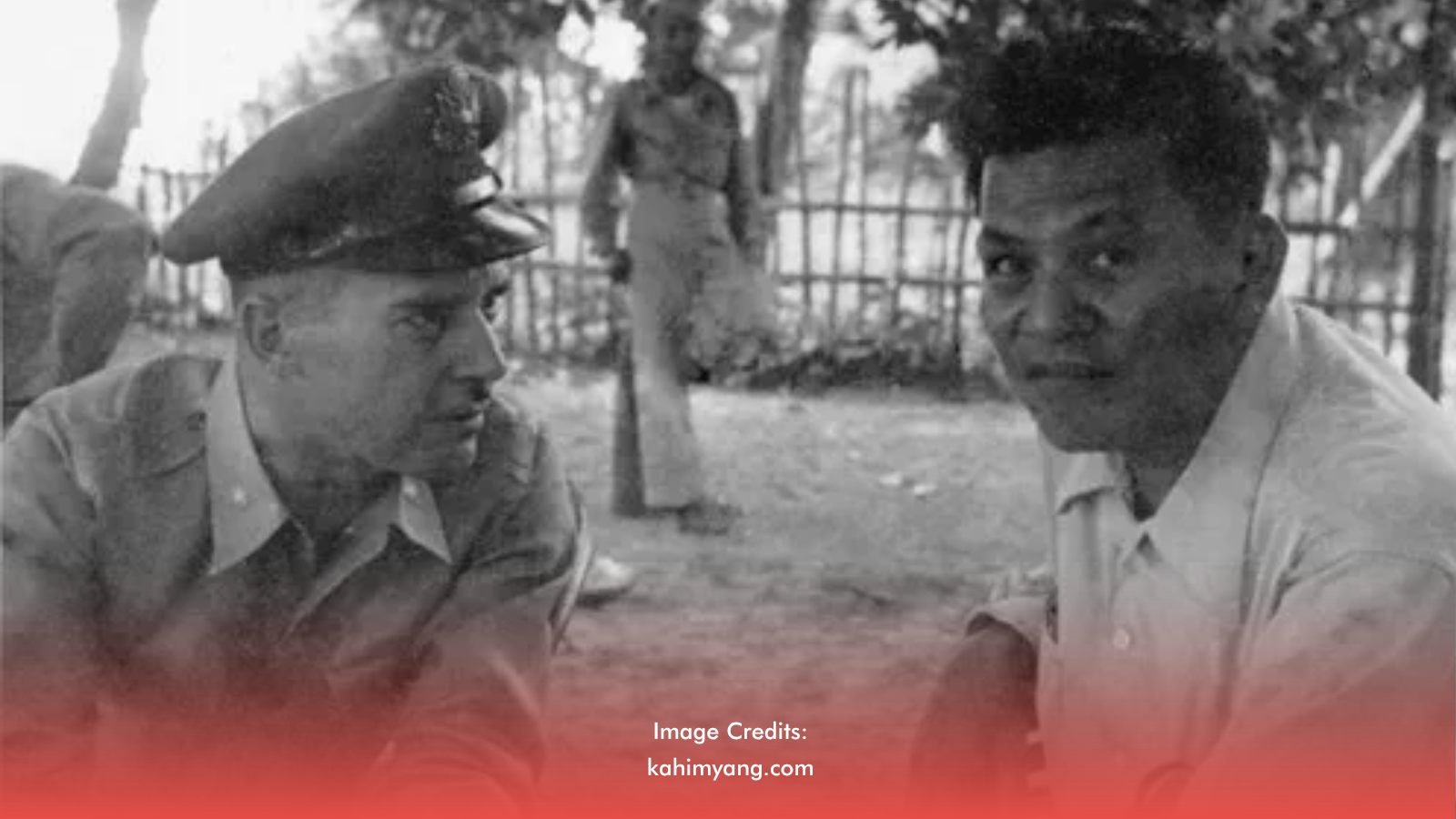
Fourteen of these graduates were on Bataan when it fell, and every one of them became a prisoner of war under the Japanese. Several survived the Bataan Death March, one of the most brutal forced marches of the Pacific War, only to keep fighting: many escaped captivity or were paroled and immediately joined the guerrilla resistance. Several of them, including Lim, Segundo, Baclig, Martelino, Alejandro Garcia, and Vicente Gepte, were eventually executed for it.
Lives Defined by Refusal to Surrender, Twice
Vicente Lim himself escaped captivity not once but twice, commanding the 41st Division before he was finally captured and executed. His body was never recovered, though his face is familiar to most Filipinos. He appears on the 1,000-peso banknote. Pastor Martelino, the first Filipino superintendent of the Philippine Military Academy, was tortured and hanged at Fort Santiago in 1945 after refusing to help the Japanese defend Corregidor. Vicente Gepte, the youngest of the graduates to die in the war, was executed in 1944; his classmates remembered him in their yearbook as “five feet two inches, and every inch a man,” and his cenotaph reads that he remained “undefeated in defeat” after Bataan fell. He remains the only Filipino graduate commemorated on West Point’s own grounds.
Not every story ended in tragedy. Maximiano Janairo survived Bataan, the Death March, and the horrors of Camp O’Donnell, then went on to fight in the Korean War and lived to 92, buried at Arlington National Cemetery. Rafael Ileto served with the Alamo Scouts on the daring raid that freed 516 POWs at Cabanatuan, and decades later became Defense Secretary under President Corazon Aquino. And Leon Punzalan, a 1936 graduate, patented a rifle cartridge ejector credited with saving lives during the war; proof that not every contribution from this group happened on a battlefield.
A Legacy Still Being Counted
Of the first 29, four never finished the academy, one died in a training accident, and at least one, Rufo Romero, became infamous for selling fortification secrets to Japanese spies. Taken as a whole, this small cohort, competitively chosen, rigorously trained, and thrown into World War II, represents an outsized share of Filipino wartime leadership. By 2024, 81 Filipinos had graduated from West Point, each one walking a path first cleared by Lim’s class of 1914.
Their shared academy motto, “Duty, Honor, Country,” reads differently once you know how literally many of them lived it.