A Colony Built for Someone Else’s Trade
When Spain set its sights on the Philippines in the 1500s, the islands themselves weren’t really the prize. What Spain wanted was China, or more specifically, a way to tap into it without going through Portugal, which already controlled the route around Africa to Asia. The Treaty of Tordesillas in 1494 split the world between the two colonial powers, and for Spain, reaching Asia meant finding its own Pacific route.
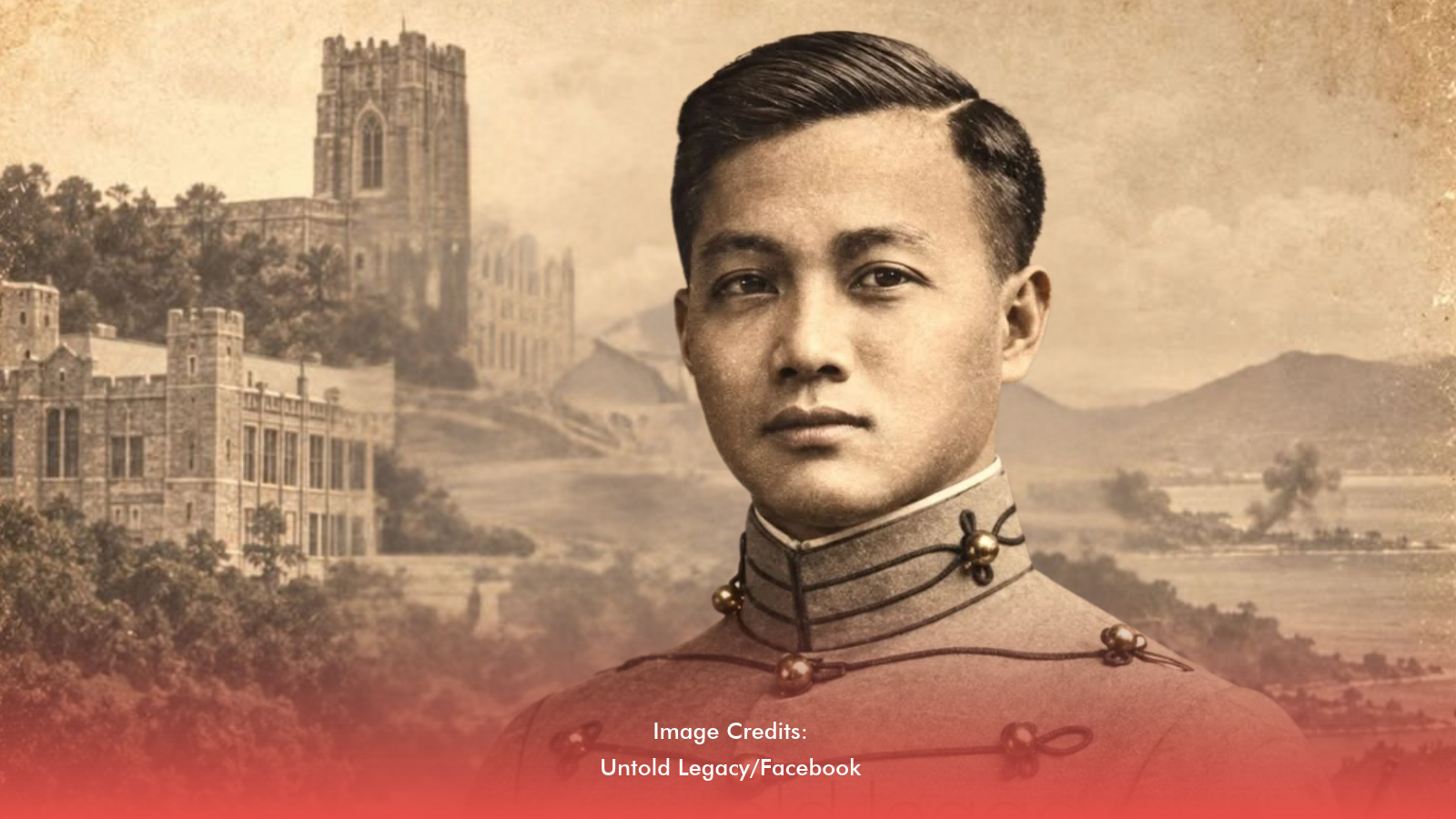
That search cost Spain dearly before it ever paid off. Magellan’s expedition, the first to attempt the crossing, lost over a hundred men, including Magellan himself, and only one of its five ships made it back. A second expedition under Jofre de Loaysa fared even worse, with Loaysa dying at sea and many of his men killed or captured. It took decades, several doomed voyages, and the eventual founding of a settlement at Cebu in 1565 under Miguel López de Legazpi before Spain had a real foothold in the islands.
What made the colony viable, however, was a sailing route. Augustinian friar Andrés de Urdaneta, a veteran of the earlier Loaysa expedition, discovered a northeastern Pacific route that caught the right winds for a return voyage to Acapulco, Mexico. That route, known as the tornaviaje, finally made a two-way trade between the Philippines and the Americas possible; without it, the entire galleon trade couldn’t have existed.
Why Silver Changed Everything
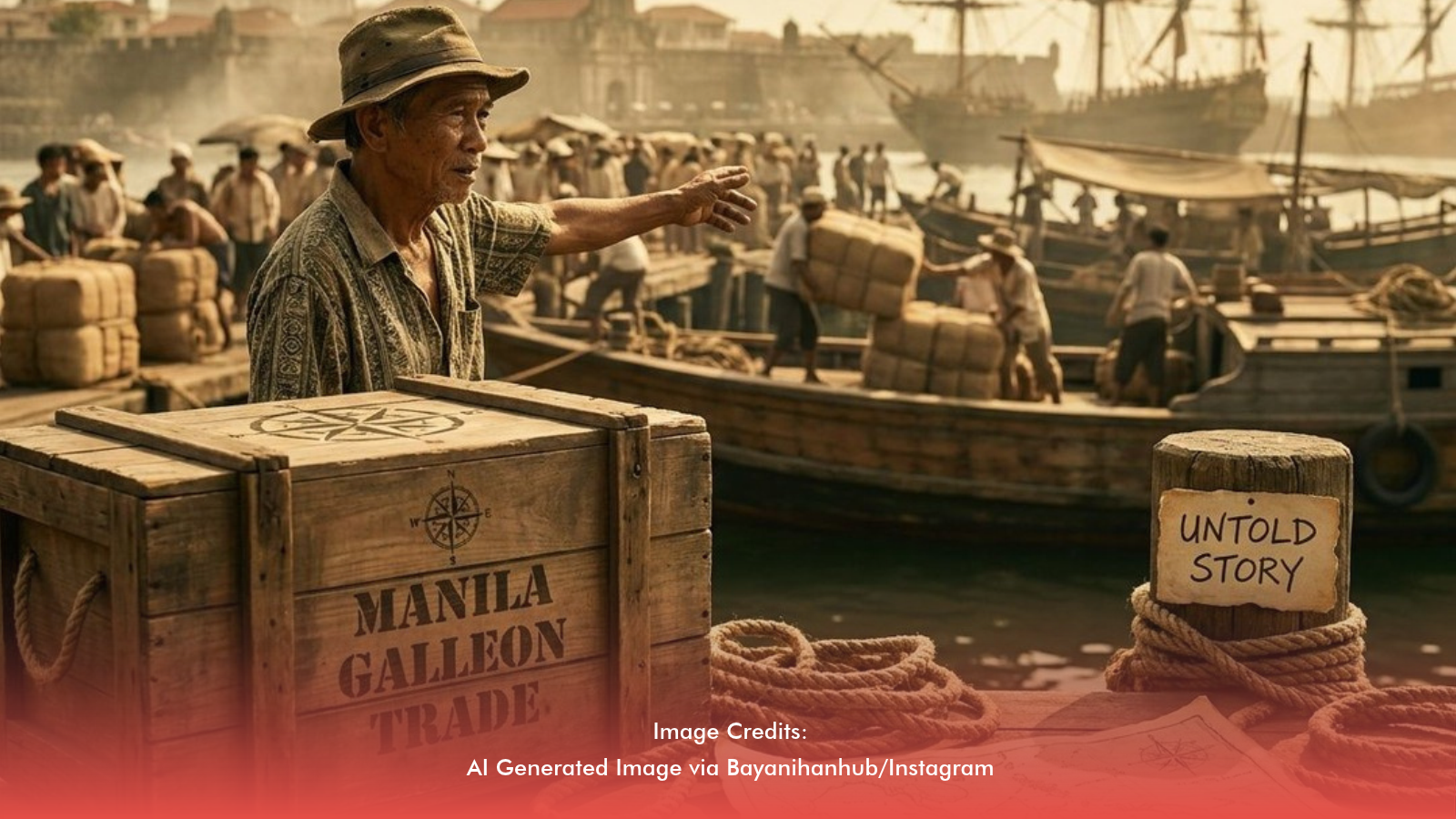
With a viable return route in hand, attention shifted to a different kind of cargo: Chinese silk, which arrived in Manila aboard Chinese merchant junks and could be resold in Mexico and Europe for enormous markups. But silver, not silk, drove the trade.
Ming China was in the middle of a currency crisis, with unregulated paper money driving hyperinflation, and the empire needed a stable alternative. Silver became that alternative, and China was willing to pay a premium for it. The silver-to-gold exchange ratio in China fell as low as 6 to 1, compared to roughly double that elsewhere. That gap meant Spain could buy far more Chinese goods with the same amount of silver than it could anywhere else in the world, and the Americas, particularly Mexico’s mines, supplied the silver that made the whole system run.
The arrangement produced one of history’s more telling imbalances. As one historical account put it: history favored China, politics empowered Spain, and geography was the real arbiter of who benefited most. China was close enough to dominate the exchange; Spain held formal control over the colony but governed it from half a world away.
The Human Cost Behind the Trade
None of this happened without a price, and Filipinos paid it. Building and maintaining the galleons that carried silver west and silk east required timber, ships, and labor; colonial authorities secured all three by forcing Filipino workers into service. And often under conditions so harsh that even the Spanish crown eventually took notice. In 1608, King Felipe III issued a decree ordering colonial officials to address indigenous complaints about the labor system. Still, the sheer distance between Madrid and Manila meant abuses persisted largely unchecked for years afterward.