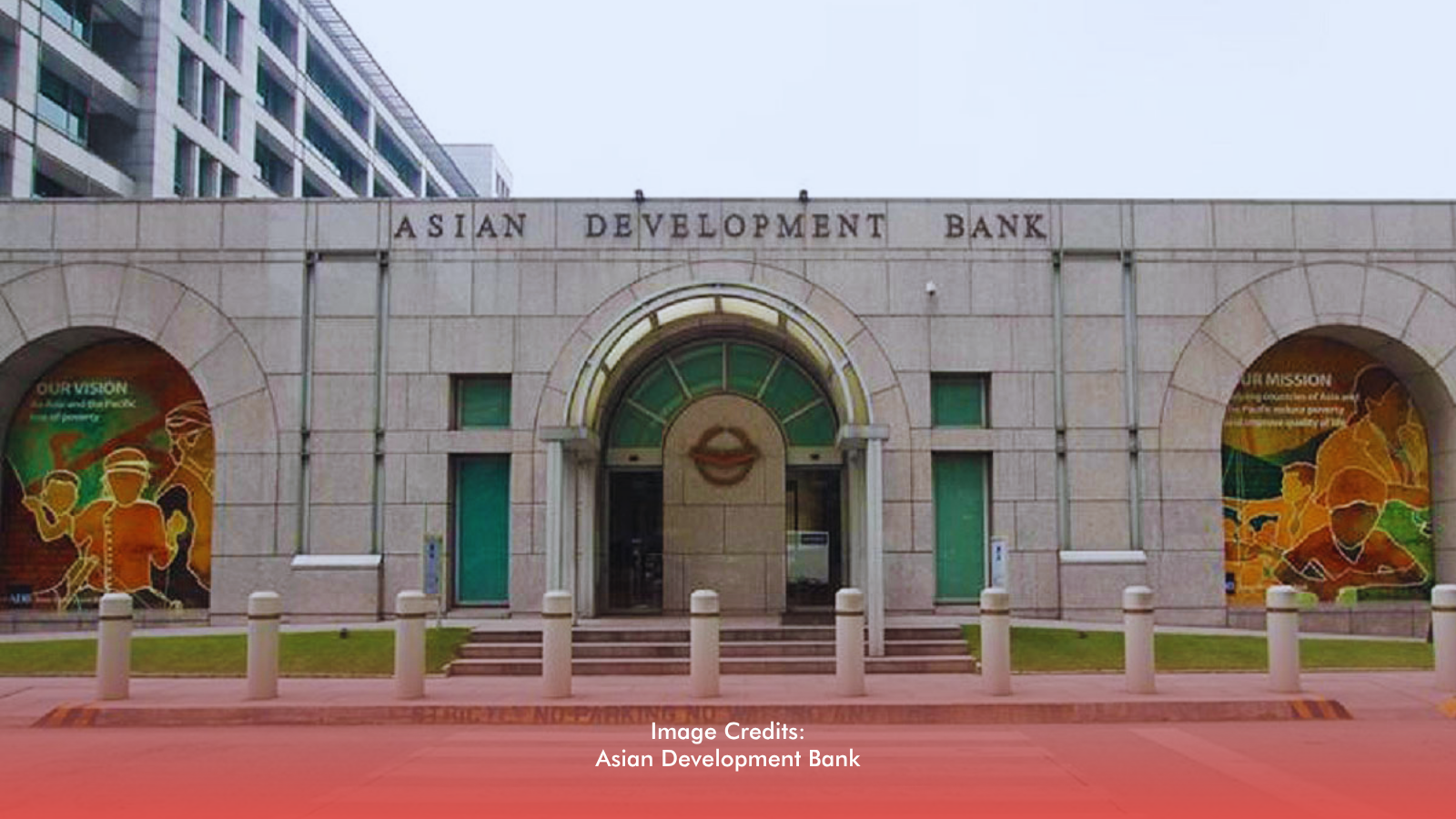
The Asian Development Bank (ADB) may further reduce its economic growth outlook for the Philippines as global pressures continue to weigh on the country’s economy.
ADB Country Director for the Philippines Andrew Jeffries said the prolonged conflict in the Middle East, along with rising inflation and slowing economic activity, could force the multilateral lender to downgrade its projections again in the coming months.
The ADB earlier lowered its 2026 Philippine growth forecast to 4.4 percent from its previous 5.3-percent estimate, already falling below the government’s official growth target. Analysts said continued oil price volatility and weaker domestic demand are among the major factors affecting the country’s outlook.
Inflation and Global Risks Continue to Affect Outlook
According to Jeffries, the ADB’s earlier forecasts were based on expectations that global tensions would stabilize within a few months. However, with the crisis continuing longer than expected, economic risks have also intensified.
The Philippines has remained vulnerable to rising fuel prices, peso depreciation, and inflation, particularly because of its dependence on imported energy and goods. Inflation in April climbed to 7.2 percent, exceeding the Bangko Sentral ng Pilipinas’ target range and putting additional pressure on consumers and businesses.
Economists also warned that weaker consumer spending and slower investments could continue affecting economic recovery in the short term. Some analysts now expect growth to remain subdued over the next two years unless stronger structural reforms and productivity measures are introduced.
The ADB is expected to release updated projections in the coming months as global economic conditions and inflation risks continue to evolve.