Artificial intelligence (AI) could reshape how people work, learn, and communicate over the next decade. Filipinos are already part of that shift, with 86% of white-collar workers using it to boost productivity. Yet the pushback against it is just as loud, from artists and call center workers to debates over the power and water demands of AI infrastructure. The contrast highlights something crucial: who benefits from technological progress, and who bears its costs?
Capability, But at What Cost?
AI tools may get better at understanding text, audio, and video; AI agents could also handle more multistep tasks. But greater capability doesn’t guarantee reliability or trust.
Deepfake scams have already used lawmakers’ faces, including a fake video of Sen. Bam Aquino endorsing an investment platform, and one artist found his work turned into photo cards and sold without his permission. Privacy, accountability, and creative rights will always matter as much as what the tools can do.
Who Benefits from an AI-Driven Economy?
AI could create opportunities in fields like cybersecurity and data management, but workers in repetitive roles may face displacement. A 2025 study published in the International Monetary Fund (IMF) found that the business process outsourcing (BPO) sector has the highest share of jobs at risk, and workers are campaigning for protection legislation and an AI displacement fund.
They aren’t simply anti-technology: in a regional study, 86% of Filipinos want AI to handle routine tasks if training and clearer communication come with it. Meaning: education and meaningful support will help determine whether AI widens or reduces inequality.
Infrastructure Talks
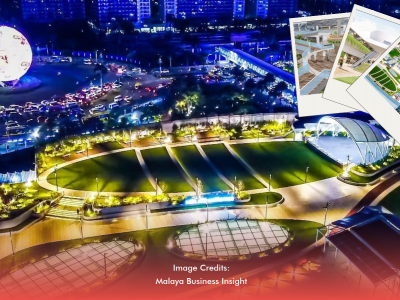
Here’s where a lot of Filipinos are the most vocal: AI depends on land, power, and water.
The government’s infrastructure masterplan targets 1.5 GW of data center capacity by 2033, and coverage of the plan notes that such an industry could take up a large share of the available power reserve and push up electricity prices. The debate over Pax Silica, for example, has made these questions harder to ignore.
While supporters see an economic opening, critics ask whether households will compete with servers for water and electricity.
What Now?
AI’s influence may be much greater down the line, but advancement alone shouldn’t define progress. It’s also measured in how it’s used: innovation that serves people’s needs, respects their rights, and extends beyond a privileged few.