
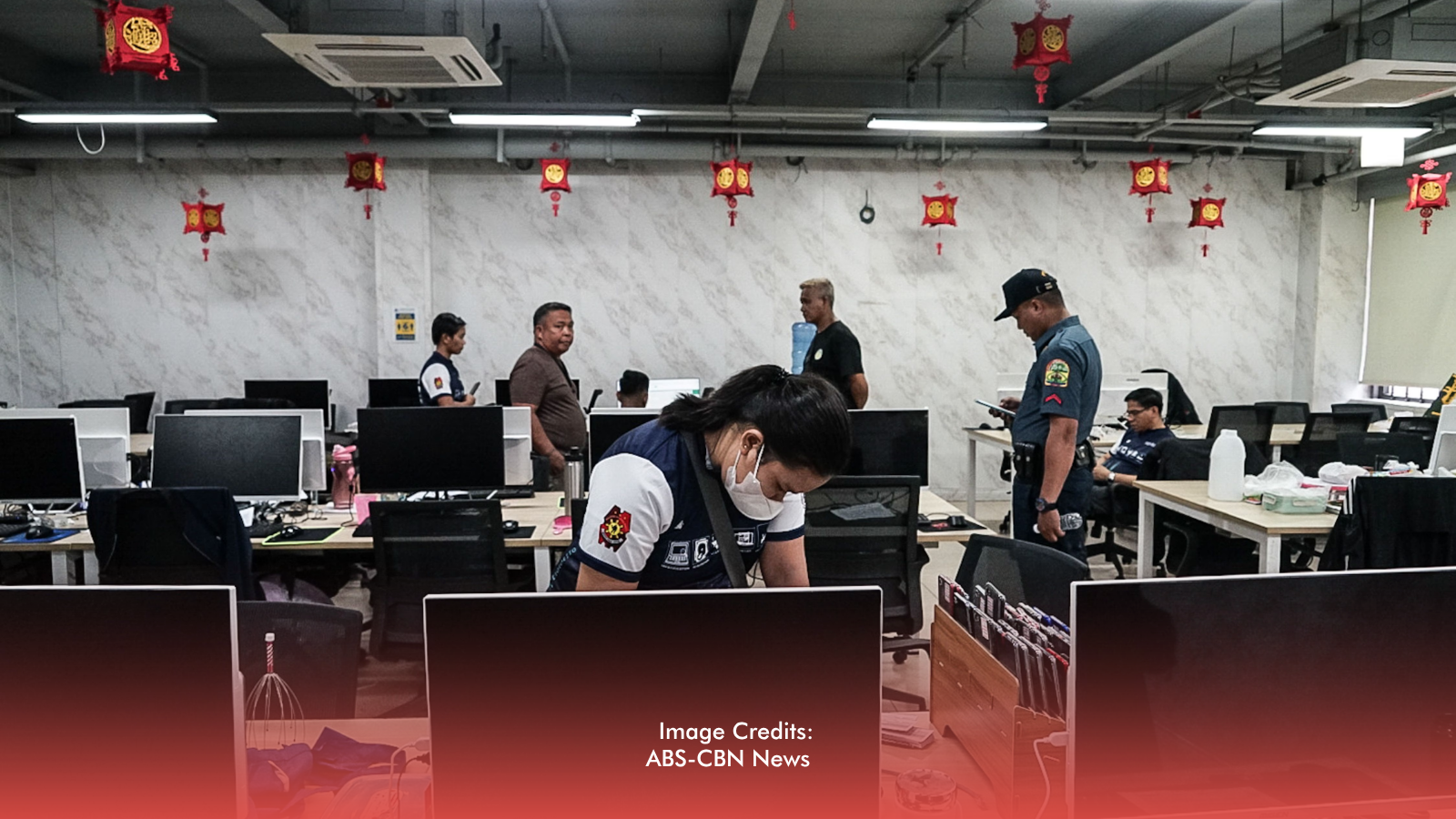
The Department of Justice (DOJ) has confirmed that Philippine offshore gaming operator (POGO) hubs are no longer operating across the country, reinforcing the government’s strict policy to fully eliminate the industry. This comes after authorities intensified enforcement efforts, leading to widespread closures in line with the official directive banning all POGO activities nationwide.
According to Justice Secretary Fredderick Vida, the crackdown has been effective, with a significant portion of previously operating hubs shutting down shortly after the deadline was enforced. Vida emphasized that compliance has been largely achieved, signaling that the government’s measures are taking full effect on the ground.
“There are no official POGOs left. Definitely, there are no illegal POGOs either. That is the policy of the government—no POGO operations in the Philippines,” Vida said.
Despite the declared shutdown, the DOJ clarified that monitoring efforts are ongoing to ensure that no illegal operations attempt to resurface. Authorities stressed that vigilance remains in place to prevent any unauthorized activities tied to the former industry.
Nationwide Enforcement and Policy Direction
The government’s decision to eliminate POGO operations is part of a broader strategy aimed at strengthening community safety and addressing risks associated with the industry. Authorities have pointed to concerns involving transnational crimes, economic pressures, and other security issues as key reasons behind the ban.
Vida also noted that enforcement actions have cleared out areas that previously hosted POGO hubs, effectively removing any legal presence of the industry across the Philippines. This signals a firm conclusion to operations that once had a significant footprint in certain localities.
Authorities reiterated their commitment to respond promptly to any reports of illegal POGO activity, underscoring the country’s zero-tolerance stance moving forward.
This development impacts the country by reinforcing stronger law enforcement and improving community safety, especially in areas previously affected by POGO-related activities. However, it also means adjustments for workers and local economies that once depended on the industry, as the government shifts toward more regulated and secure economic opportunities.