The Philippines is among the countries most vulnerable to a possible surge in food prices, as global risks linked to energy costs, fertilizer prices, and climate disruptions continue to rise, according to Nomura Global Markets Research.
In its Food Price Vulnerability Index covering 110 economies, Nomura ranked the Philippines 21st, indicating relatively high exposure to global food price volatility. The index considers income levels, the share of food in household spending, and dependence on net food imports.
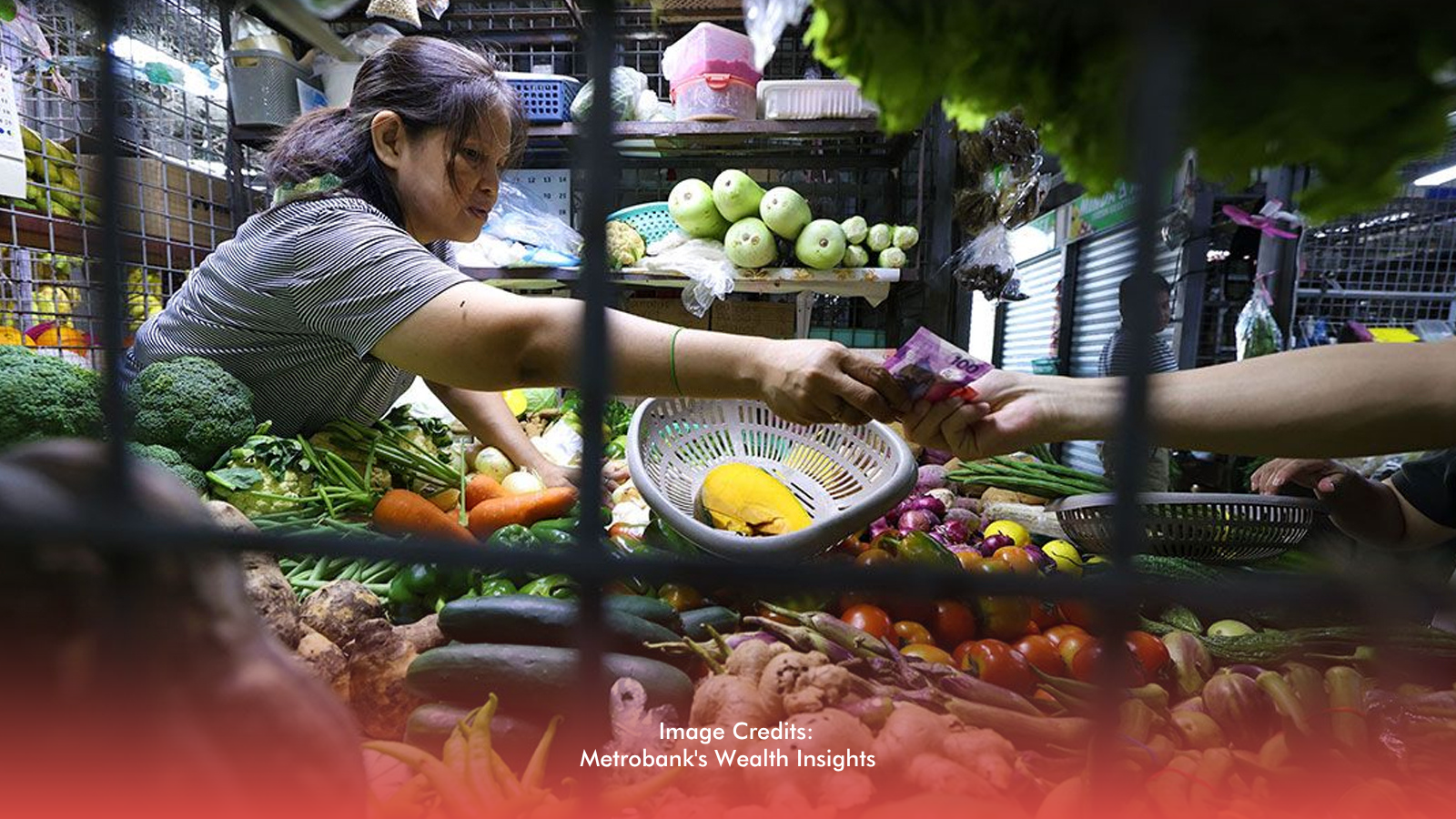
The study estimated the country’s score at 100.7, with projected GDP per capita of $4,270 in 2025. It also found that food accounted for 37.3 percent of household spending in 2023, while net food imports stood at 2.7 percent of GDP in 2024—underscoring the country’s sensitivity to global supply shocks.
Global risks driven by energy, climate, and trade pressures
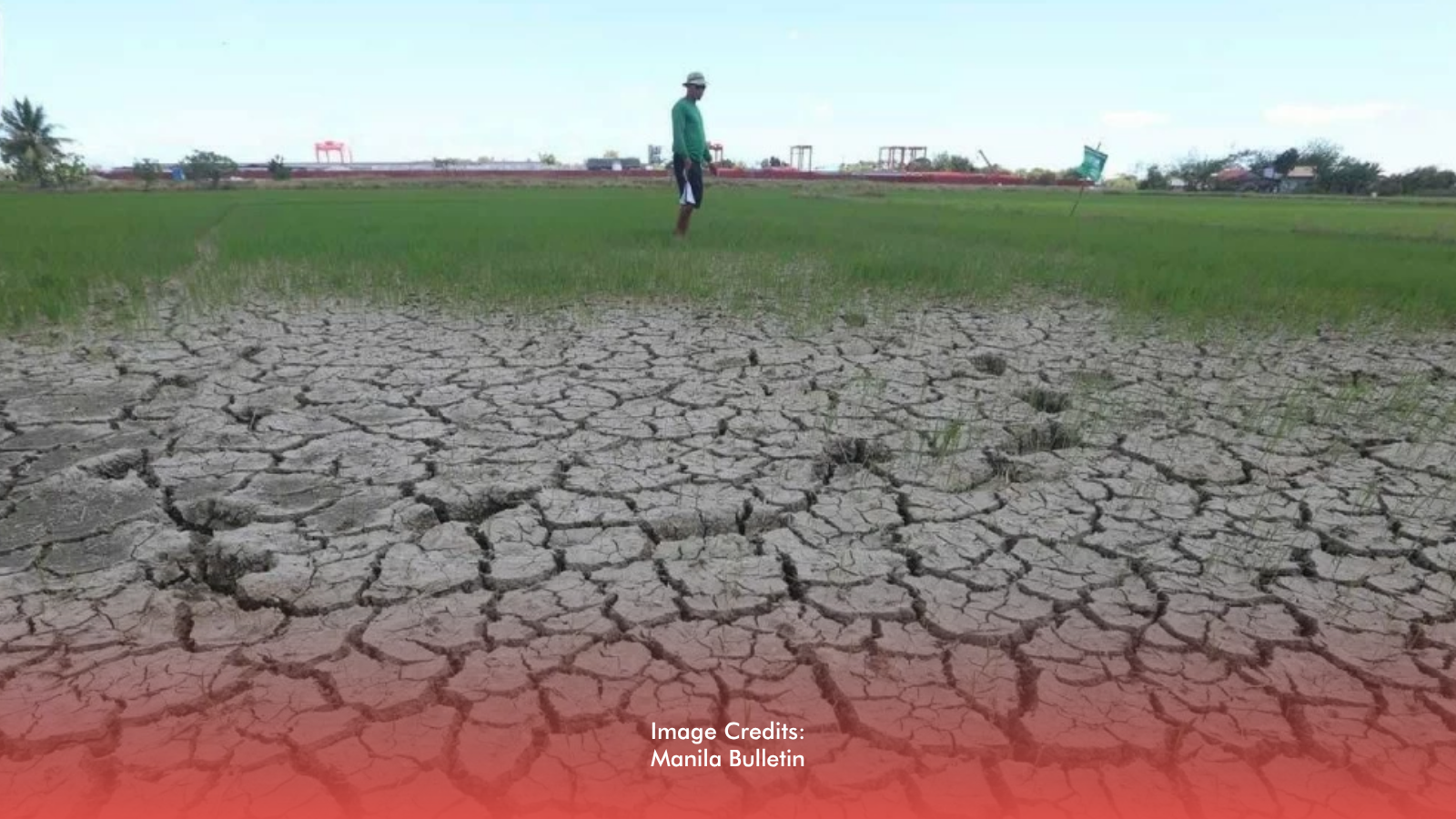
Nomura said global risks remain elevated due to persistent high energy and fertilizer costs, geopolitical tensions in the Middle East, and the potential worsening of El Niño conditions. While food prices have so far been less affected than energy markets, the bank warned the situation could shift quickly if production costs stay elevated and weather patterns disrupt agricultural output.
It also flagged additional pressures such as trade restrictions, hoarding, and financial speculation, which have historically amplified food price spikes during global crises.
Inflation pressures raise stagflation concerns
The report cautioned that a sharp increase in food prices would likely have a stronger economic impact than an energy shock, particularly in developing economies where households spend more on essentials.
In the Philippines, inflation rose 7.2 percent in April, its fastest in three years, driven by higher energy costs that have filtered into broader consumer prices. The Bangko Sentral ng Pilipinas has since raised its policy rate to 4.5 percent, citing worsening inflation risks.
Nomura warned that a combined surge in energy and food prices could heighten stagflation risks, as rising costs weigh on consumption while keeping inflation elevated, placing added pressure on emerging economies like the Philippines.