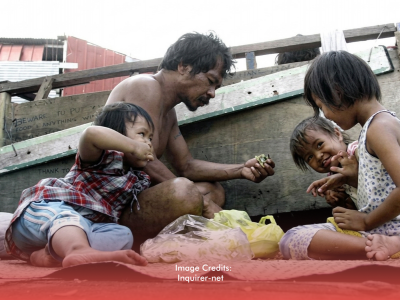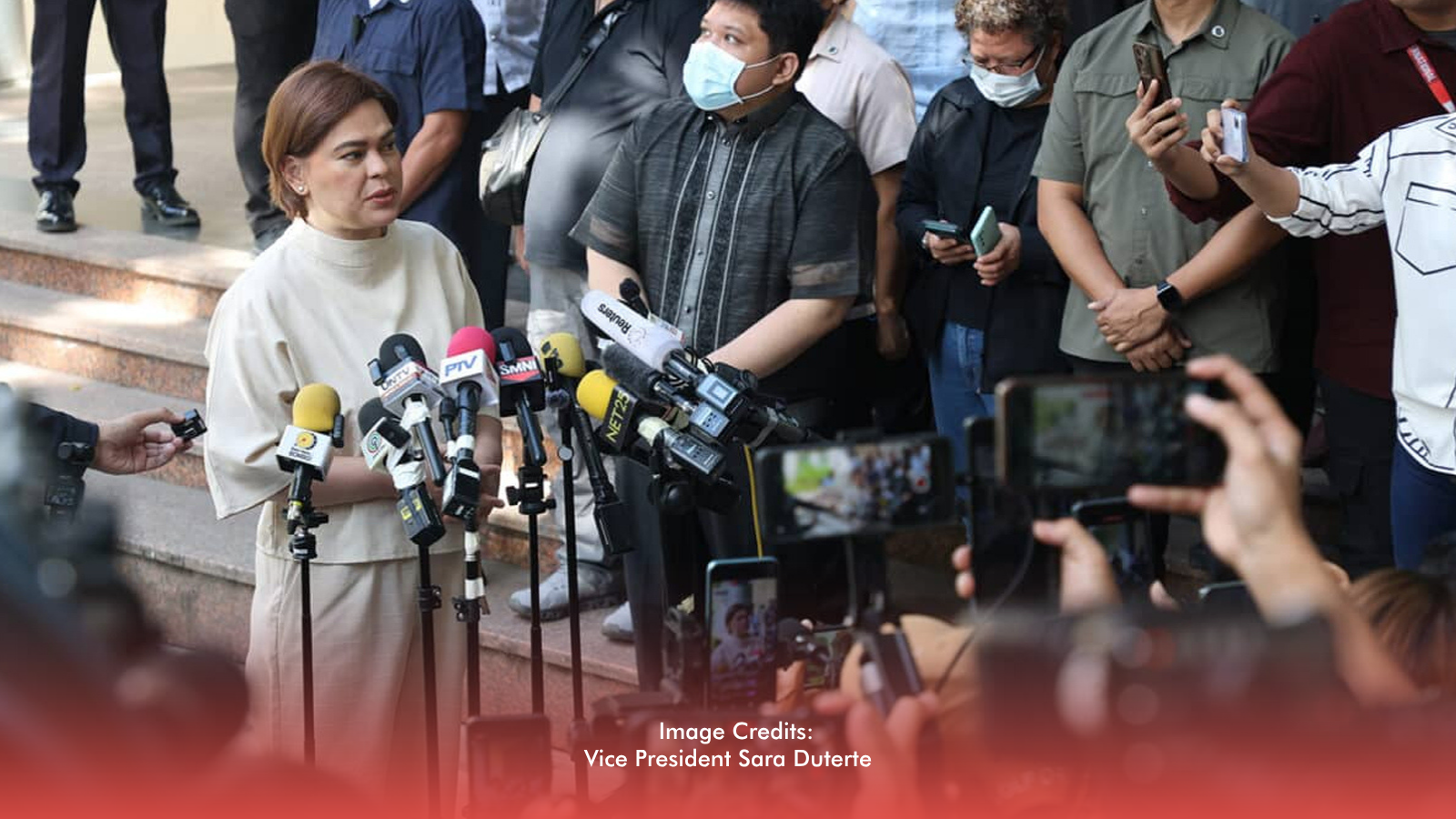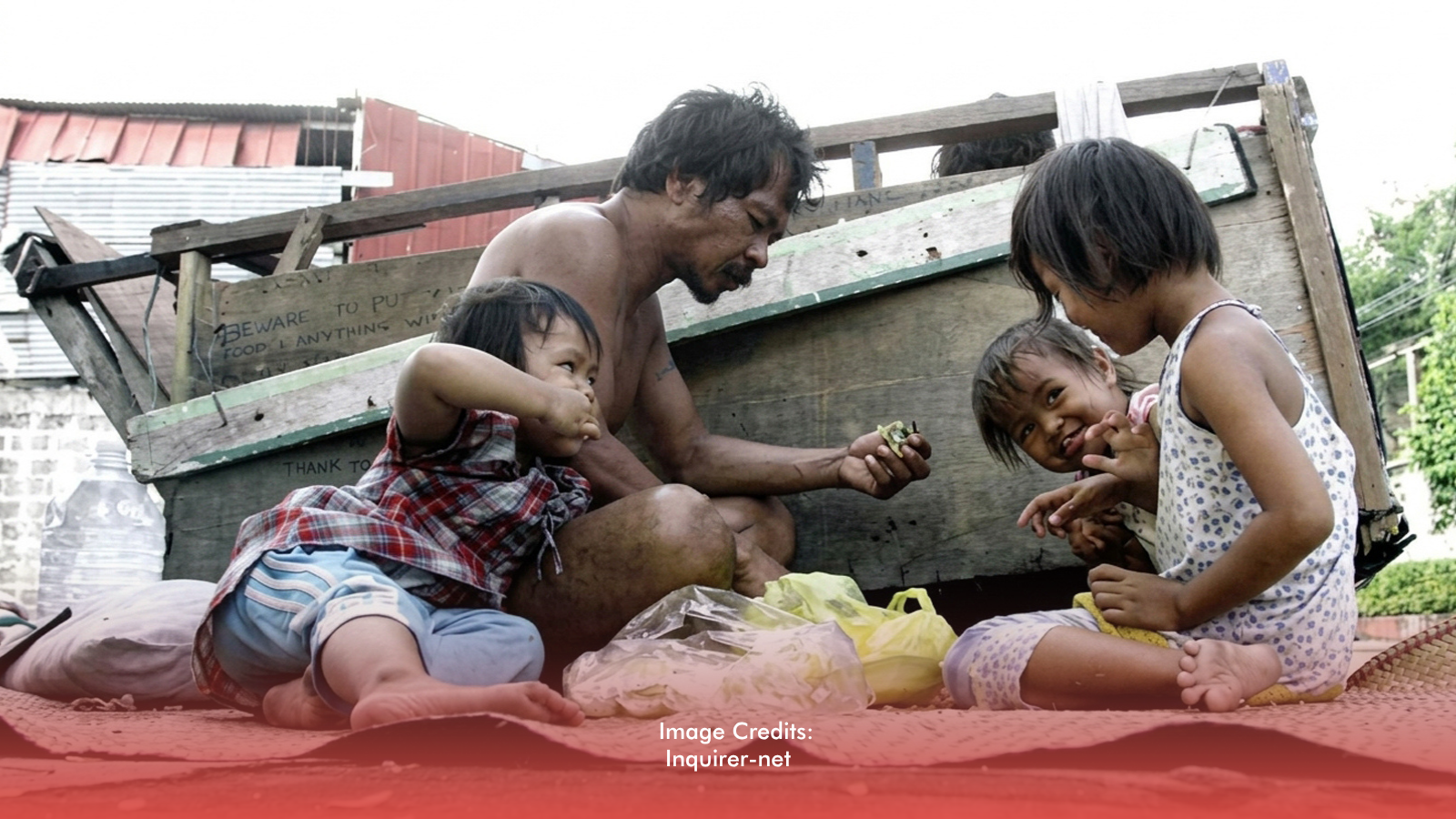
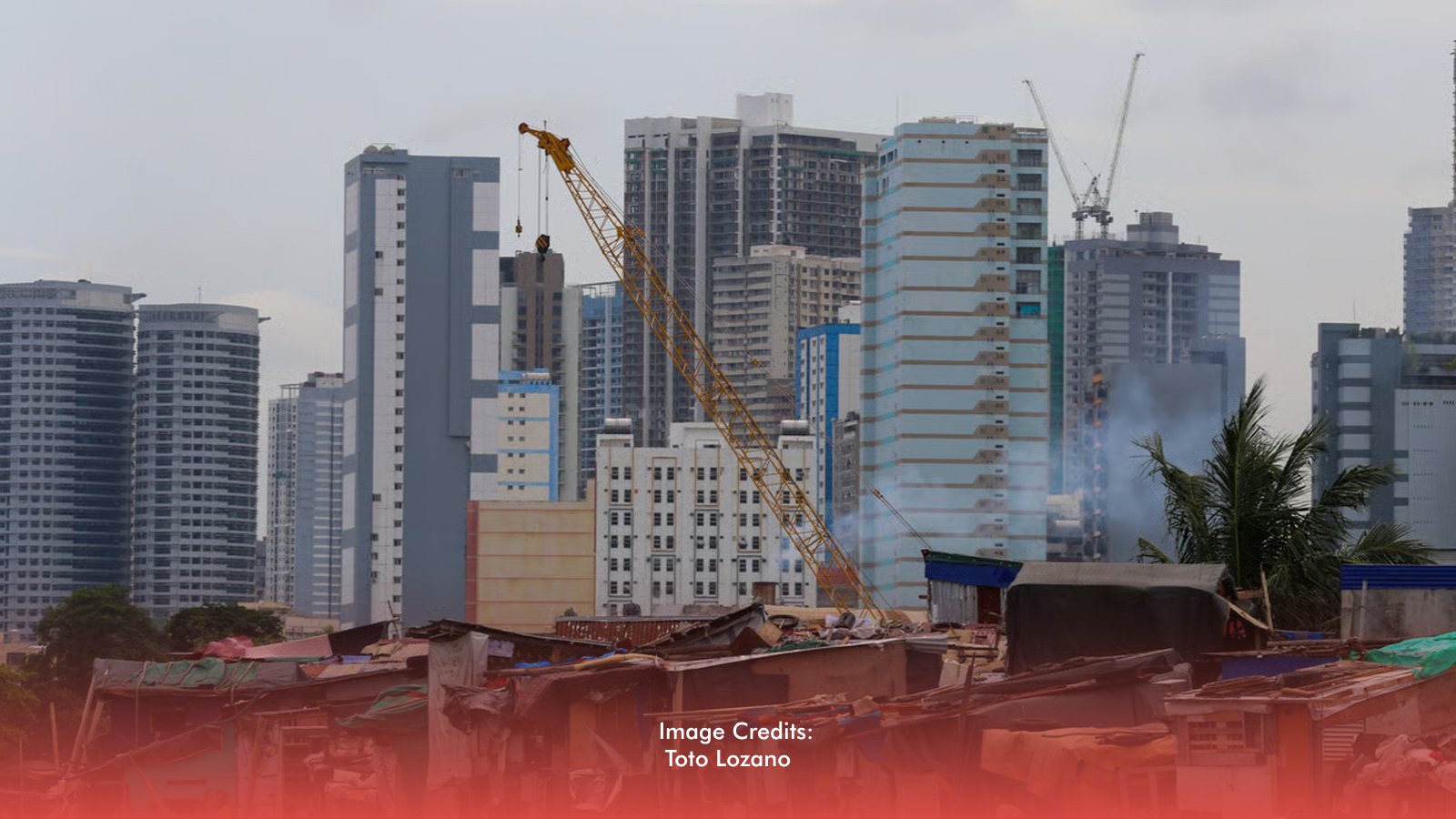
The Philippines’ progress in reducing poverty is prompting calls for a stronger focus on the industries and investments that can create stable sources of income for Filipino households. The Federation of Philippine Industries (FPI) said the next phase of poverty reduction should build on employment-generating growth, particularly through manufacturing, industrial capacity and private investment.
The group made the call after Philippine Statistics Authority data showed that poverty incidence declined to a record-low 9.7% in 2025, allowing the country to reach the government’s single-digit poverty target ahead of schedule.
RELATED: [8.8 Million Filipinos Lifted Out of Poverty in 2025, DEPDev Reports]
Manufacturing Seen as Key to Sustaining Gains
FPI chairperson Elizabeth Lee said continued progress will require expanding the parts of the economy capable of generating jobs and raising household incomes.
“We need to widen the base of employment-generating growth — manufacturing, industrial capacity, and productive private investment — as the primary engine of further poverty reduction, while maintaining the safety net that guards against reversal,” Lee said.
The industry group also pointed to changes in household earnings as an important factor behind the latest poverty figures. According to FPI, nominal incomes increased about 22% between 2023 and 2025, while cumulative inflation was roughly 5%, suggesting that families experienced gains in real purchasing power.
“That gap matters because based on the numbers, the income gain was real, not an illusion created by rising prices, and it is what actually pushed millions of households above the poverty line,” Lee said.
FPI said social protection programs continue to provide an important safeguard when families encounter economic shocks, although the programs were not considered the main factor behind the reduction in poverty.
“In short: growth moved the number; the safety net kept it from sliding down.”
Economic Risks Could Challenge Poverty Progress
Despite the improvement, FPI cautioned that external developments could still affect household finances. Instability in the Middle East could potentially influence remittances, fuel and food prices, as well as the purchasing power of Filipino families.
For FPI, expanding employment and business activity offers a more lasting way to protect recent gains. Lee stressed the importance of strengthening both local and foreign direct investment alongside job creation and business growth.
“What is key is to support topline income growth — one built on employment, and business growth, local and FDIs — because this is the more durable path,” Lee said.
The latest poverty figures offer a positive indicator for Filipino households, but sustaining the improvement will depend on whether economic growth translates into more stable jobs, stronger businesses and better incomes. For the country, expanding manufacturing and private investment could help make poverty reduction more durable while reducing households’ vulnerability to future economic shocks.
RELATED: [Pulse Asia Finds Inflation Tops Filipinos' Concerns as Marcos' Ratings Decline]