The Philippines is confronting a difficult budget equation as it seeks to strengthen its military while meeting the growing cost of pensions for military and uniformed personnel (MUP). The Department of National Defense has proposed P142.95 billion (US$2.3 billion) for MUP pensions in 2027, from a total proposed defence budget of P324.6 billion.
The proposed pension allocation is 7 per cent higher than the P133.91 billion provided under the 2026 General Appropriations Act. Unlike civilian workers, MUP personnel are not required to contribute to pension funds, leaving pension payments to be financed through the national budget.
RELATED: [Japan’s Military Shift In PH: Rethinking What It Means]
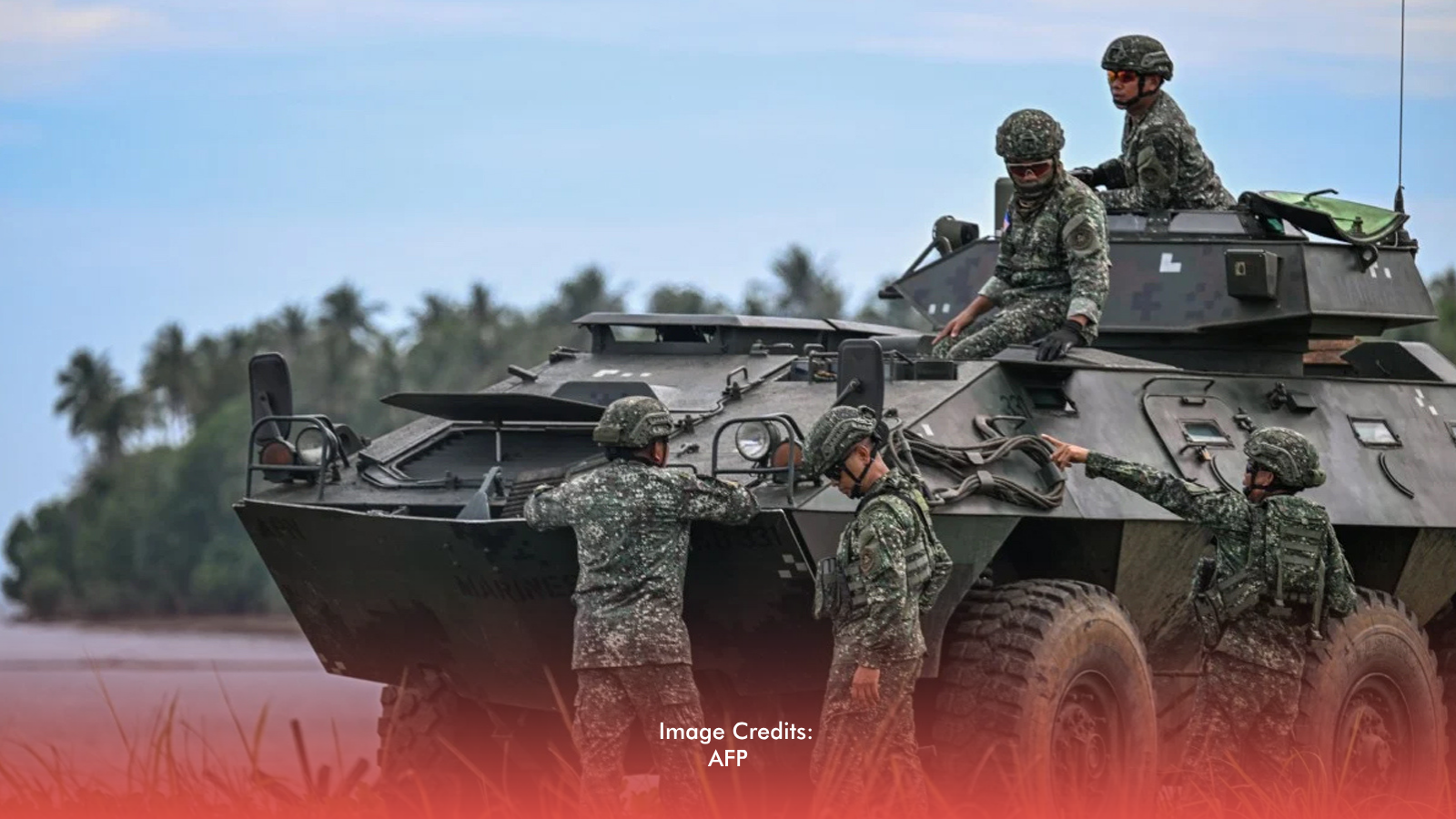
The issue has become more pressing as the government also seeks to expand military capabilities. Funding for the military’s modernisation programme is scheduled to increase by P10 billion to P50 billion in 2027 from 2026. The Department of Budget and Management said the additional funding is intended to “enhance the military’s capabilities to protect the country’s sovereignty and territorial integrity."
Former finance undersecretary Cielo Magno noted that the proposed pension allocation was nearly triple the amount intended for military upgrades. She said, “we must also confront the trade-off: resources consumed by an ever-growing pension bill are resources we cannot use to modernise our armed forces, strengthen territorial defence and fund other essential public services."
Pension Costs and Defense Priorities
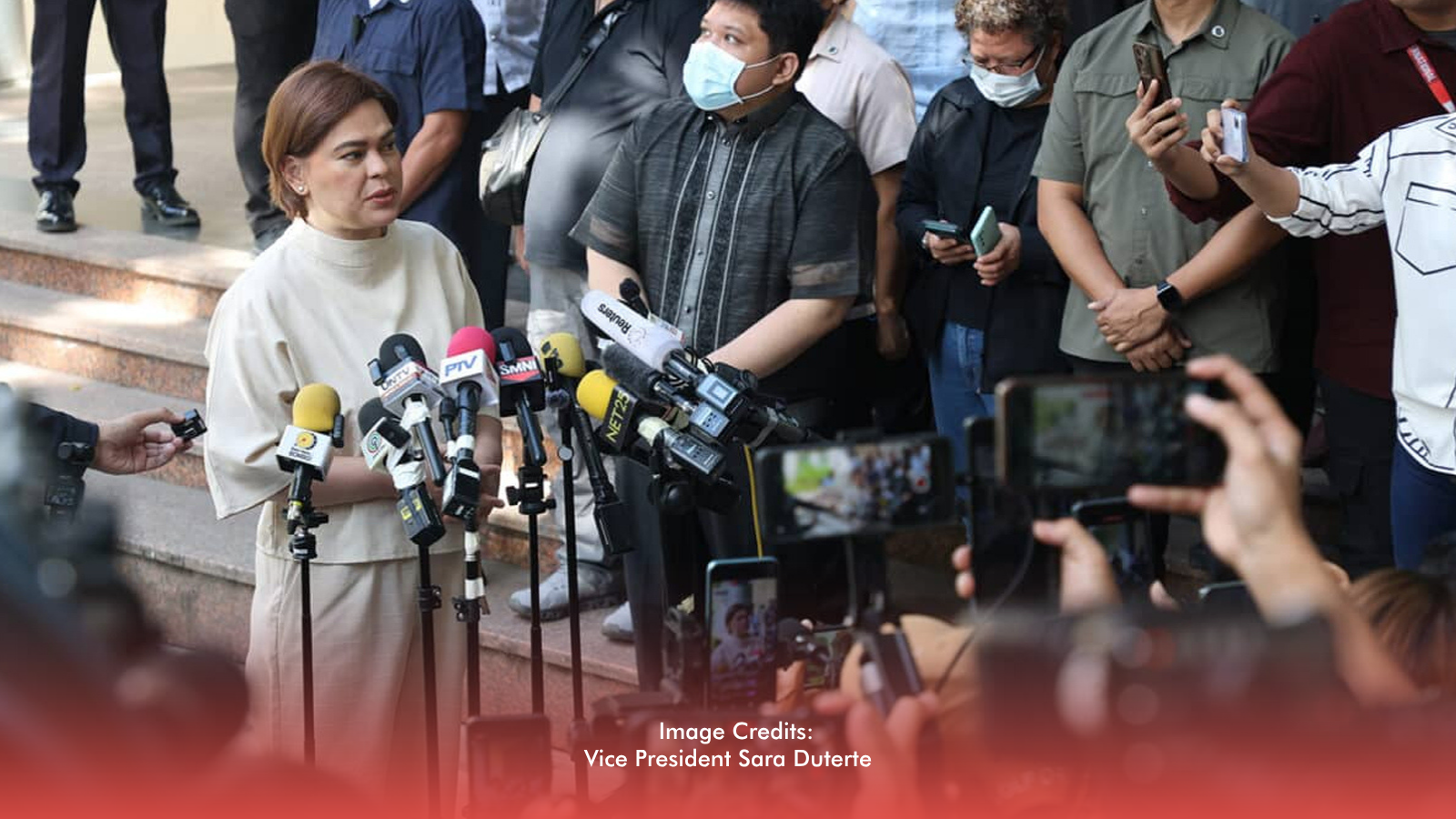
Defense Secretary Gilberto Teodoro Jr. disputed a direct comparison between the two allocations, pointing out that only 49.6 per cent of the total pension budget was intended for military retirees, with the remainder allocated to “other security services”.
“Therefore, to equate the total MUP pension to the AFP [military] modernisation is not accurate as a comparison indicator,” he said.
Teodoro defended national government-funded pensions by citing the security responsibilities carried by troops. “Our soldiers address a variety of missions 365 days a year without any breaks. Our force structure is extremely lean,” he said.
“Given the fact that they must keep watch over 7,600-plus islands and 2.4 million sq km of maritime area on a purely national government basis and do services for other government entities including [local government units] … their pensions should be national-government derived.”
Calls for Pension Reform
The broader reform debate has persisted in Congress, with analysts warning that rising pension obligations could constrain future government spending. In 2018, former president Rodrigo Duterte raised the base pay of troops by 58.7 per cent, while pensions linked to current salaries subsequently added to fiscal pressures.
Then finance secretary Benjamin Diokno warned in 2023 of an “imminent fiscal collapse”, with pension payments projected to reach P1 trillion by 2035. He also said retired MUP personnel were receiving, on average, eight times the pensions available to civilian workers through their contributions.
Security analyst Chester Cabalza warned of a “fiscal time bomb” for taxpayers, while calls have grown for structural changes to the pension system. One security analyst proposed reviewing MUP numbers and positions as part of force restructuring.
For the average Filipino, the debate matters because the national budget must simultaneously fund defense, pensions and essential public services. Finding a sustainable balance could determine how much fiscal room the country has to modernize its armed forces while continuing to finance other priorities.
RELATED: [PH And U.S. Celebrate 75 Years Of Mutual Defense Partnership]