Water quality in the Philippines is becoming a growing concern, with pollution increasingly affecting the country’s ability to provide clean and reliable water. While the country has abundant natural water sources, the condition of these sources is steadily deteriorating, making water supply more difficult to sustain.
Across rivers, lakes, and groundwater systems, contamination is reducing the amount of water that can be safely treated and distributed. As a result, the issue is no longer just about availability, but also about whether the water is still usable.
RELATED: [The PH Water Crisis: How Our Water Is Disappearing Before It Reaches Our Homes]
Pollution at the Source
A significant portion of the country’s water sources is already compromised. Data shows that only around 36% of Philippine river systems are suitable for public water supply, highlighting the scale of water quality challenges.
Groundwater, another key source, is also affected, with about 58% of samples found to be contaminated. These figures point to widespread pollution driven by untreated domestic waste, industrial discharge, and agricultural runoff.
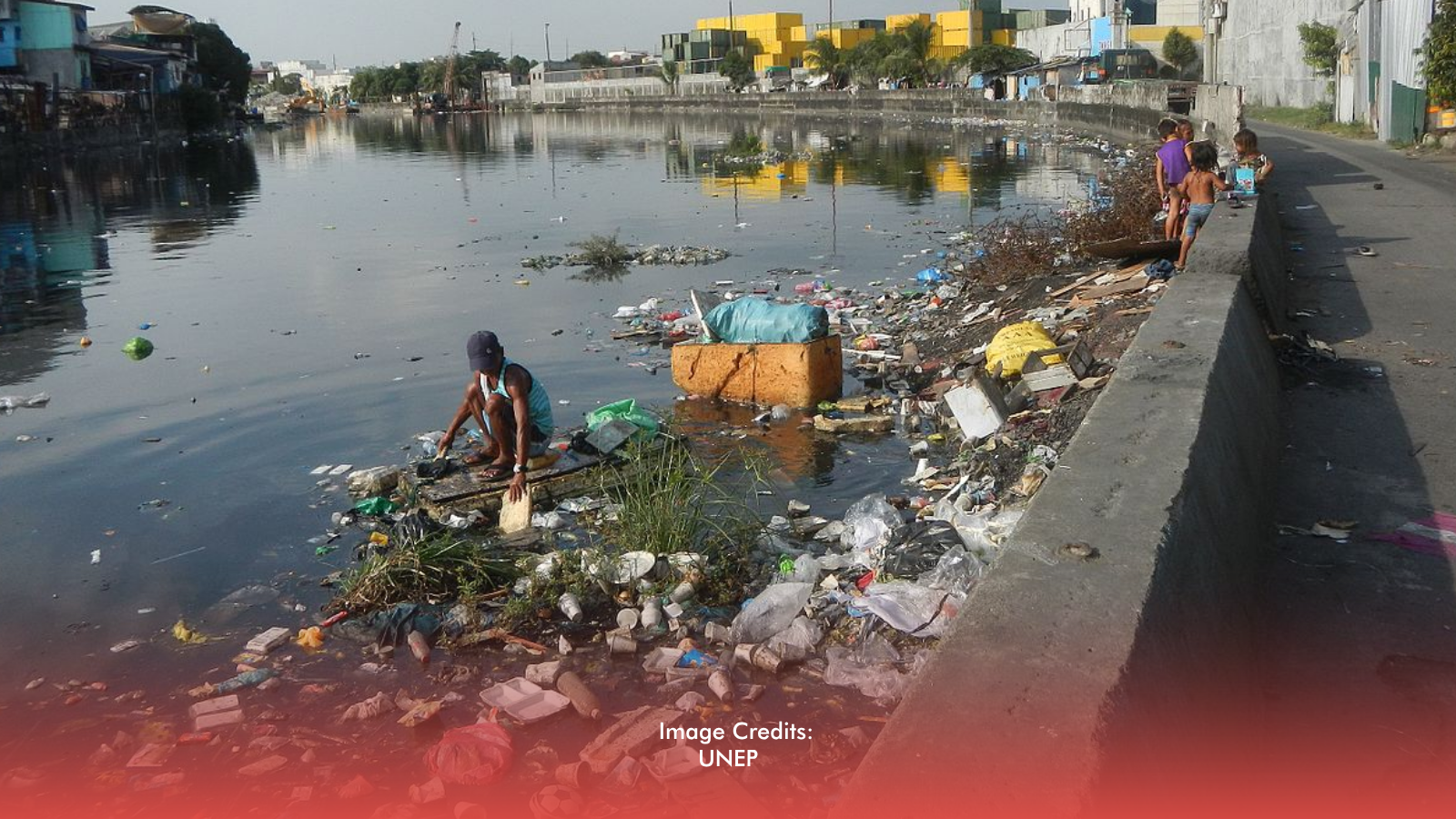
In many cases, rivers that once served as reliable water sources are now heavily polluted. The Pasig River, for example, has been identified as one of the most polluted rivers globally, contributing significant plastic waste to the ocean.
Beyond visible waste, studies have also found that some rivers, such as the Meycauayan River, are contaminated with heavy metals and organic pollutants, further limiting their usability.
Less Usable Water, More Pressure on Supply
As water quality declines, fewer sources can be used for drinking water. In fact, only about 39% of water bodies in the country are considered potential sources for drinking water, meaning the majority require heavy treatment or are unsuitable altogether.
This puts additional pressure on existing supply systems. When fewer clean sources are available, utilities must rely on a limited number of viable sources, increasing the risk of shortages, especially during dry seasons or high-demand periods.
Poor water quality also makes treatment more complex and costly. Water with high levels of pollutants requires more advanced filtration and processing, which can strain infrastructure and delay distribution. In some cases, heavily polluted sources may not be usable at all, further reducing supply capacity.
A Growing Threat to Water Security
The decline in water quality is not just an environmental issue, it directly affects water security. Pollution reduces the volume of safe, accessible water, while at the same time increasing the difficulty of delivering it to communities.
With population growth, urbanization, and climate pressures already stretching water systems, declining water quality adds another layer of risk. It creates a situation where even if water exists in abundance, not all of it can be used.
Addressing this challenge requires stronger waste management systems, stricter regulation of industrial discharge, and better protection of natural water sources. Without these measures, the gap between available water and usable water will continue to widen, making supply issues even more difficult to manage in the years ahead.