The Philippines is a frequent battleground for typhoons, enduring over 20 storms each year. Positioned above the equator and adjacent to the western Pacific, the country faces severe winds and heavy rains that wreak havoc on lives and property. Amid this natural chaos, typhoon-resistant trees emerge as vital allies in our fight against storm damage.
The Resilience of Typhoon-Resistant Trees
Typhoon-resistant trees are specifically designed to withstand the extreme weather conditions typical of typhoons. According to the Forest Foundation Philippines, these trees feature a unique root system comprising tertiary, secondary, and primary roots that provide exceptional stability. This extensive network anchors the trees firmly, even in the face of powerful winds and heavy rains.
These trees also have buttresses—large, spreading roots that extend from the trunk. These buttresses enhance stability and improve nutrient absorption from deeper soil layers. Some buttresses can stretch up to 15 feet, supporting the tree’s large structure and enabling it to endure severe weather conditions.
Native Trees: The Philippines' Green Protectors
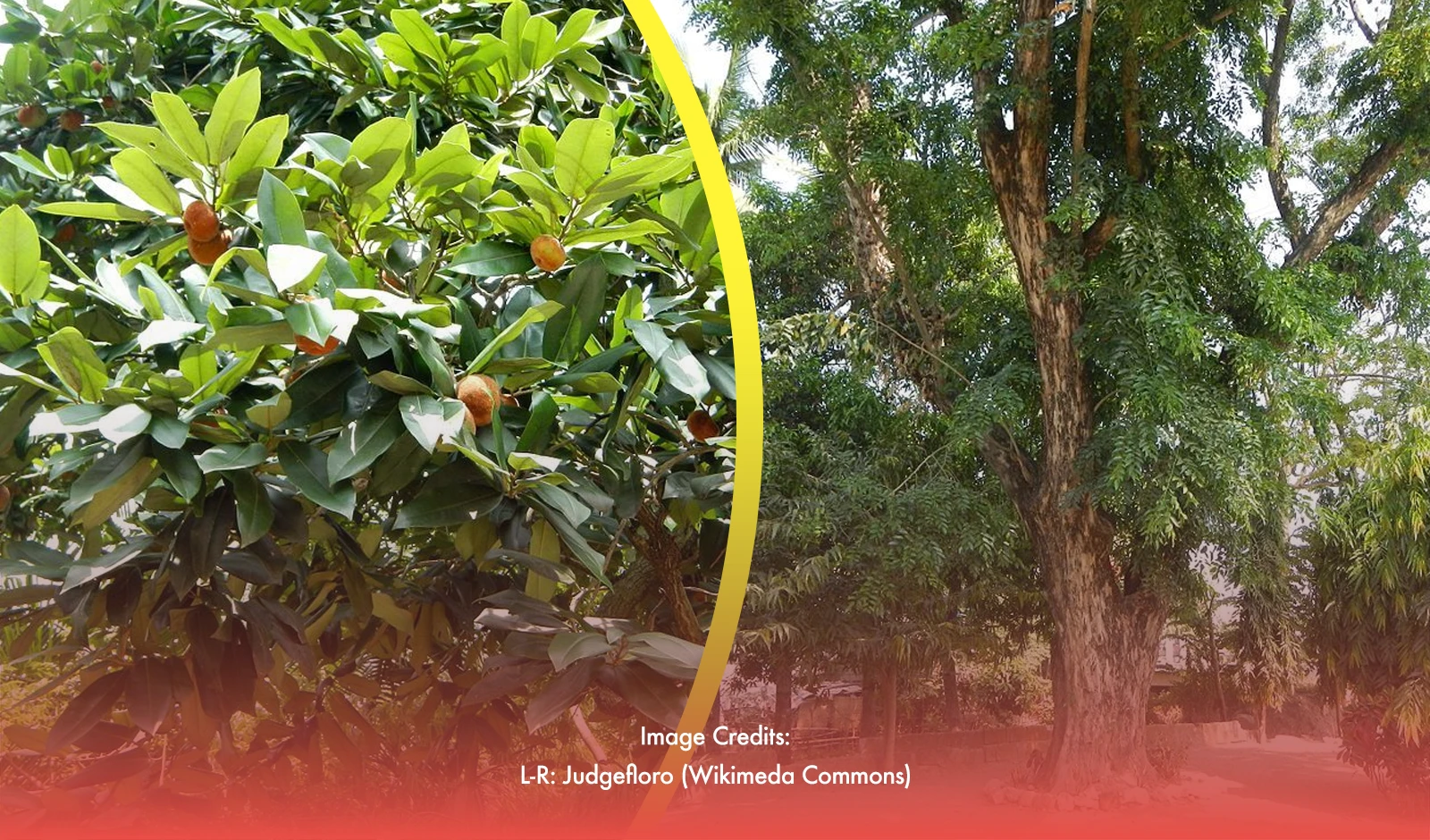
The Philippines is home to several native typhoon-resistant trees, each adapted to the country’s harsh weather. Notable examples include:
- - Bitaog (Calophyllum inophyllum)
- - Kamagong (Diospyros blancoi)
- - Katmon (Dillenia philippinensis)
- - Bignay (Antidesma bunius)
- - Narra (Pterocarpus indicus)
- - Pili (Canarium ovatum)
- - Agoho (Casuarina equisetifolia)
- - Baguilumbang (Reutealis trisperma)
- - Bani (Pongamia pinnata)
- - Molave (Vitex parviflora)
- - Talisay (Terminalia catappa)
These native trees function as natural windbreaks, providing critical protection to communities and farmlands. Despite their importance, many of these species are underrepresented, emphasizing the need for increased planting and conservation efforts.
Addressing the Challenge
Deforestation exacerbates the country’s vulnerability to typhoons, with over 46,800 hectares of forest lost between 2010 and 2020. This loss, driven by illegal logging and other destructive practices, intensifies the risk of storm damage and disrupts local ecosystems.
To mitigate these challenges, prioritizing the planting and protection of typhoon-resistant trees is essential. A national effort involving sustainable forestry practices, reforestation, and community engagement is crucial. By investing in these natural defenders, we can better weather the storms and ensure a safer future for all.